
When The Last of Us Part II hit our consoles in 2020, it didn’t just raise the bar for video game storytelling; it shattered expectations with its bold, raw, and emotional narrative. Love it or hate it (spoiler alert: a lot of people felt very strongly both ways!), the game etched its place in gaming history. Now, with the HBO series’ smash-hit adaptation of The Last of Us Part I, fans are eagerly awaiting how the show will tackle the sequel’s complex characters and themes. That’s the million-dollar question, isn’t it? How will HBO handle the gut-wrenching twists and morally ambiguous storytelling of Part II? And how does the experience of playing The Last of Us Part II compare to watching it unfold on-screen? Let’s break it down in our The Last of Us 2 game vs series comparison.
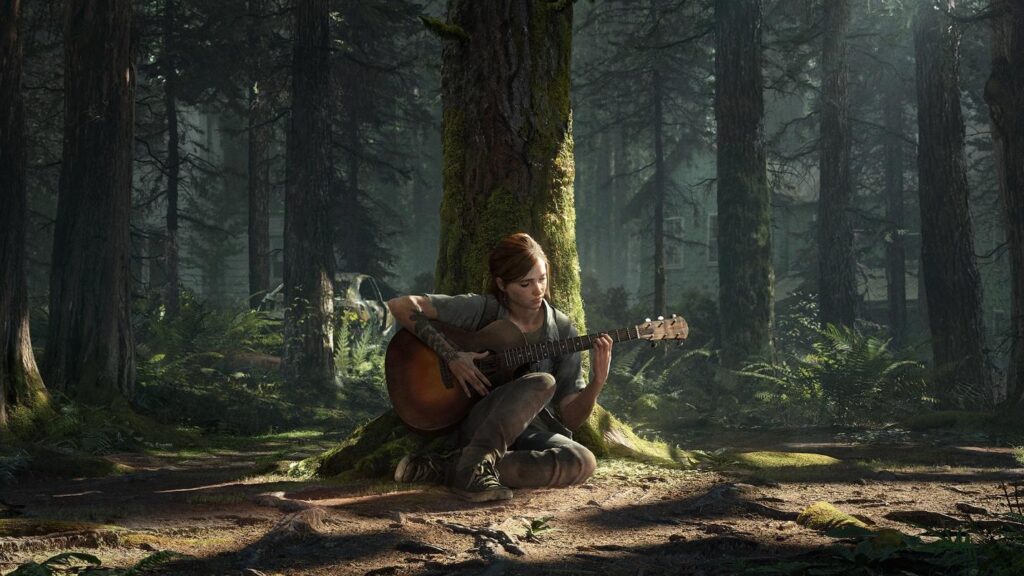
- The Last of Us Series explores themes of love, loss, and the cost of survival.
1. The Last of Us 2 Game vs Series Comparison
There’s a lot to unpack when it comes to The Last of Us franchise and its transition from game to screen. From powerhouse storytelling to unforgettable characters, both the game and the show bring heavy emotional weight. But what happens when you translate an interactive, and let’s be honest, brutally intense, experience into a passive viewing format? Will the HBO series stay true to the game’s spirit, or will it venture into new territory?
Let’s start by focusing on the themes, characters, structure, and even the emotional moments that keep us hooked, and see how these two media stack up.
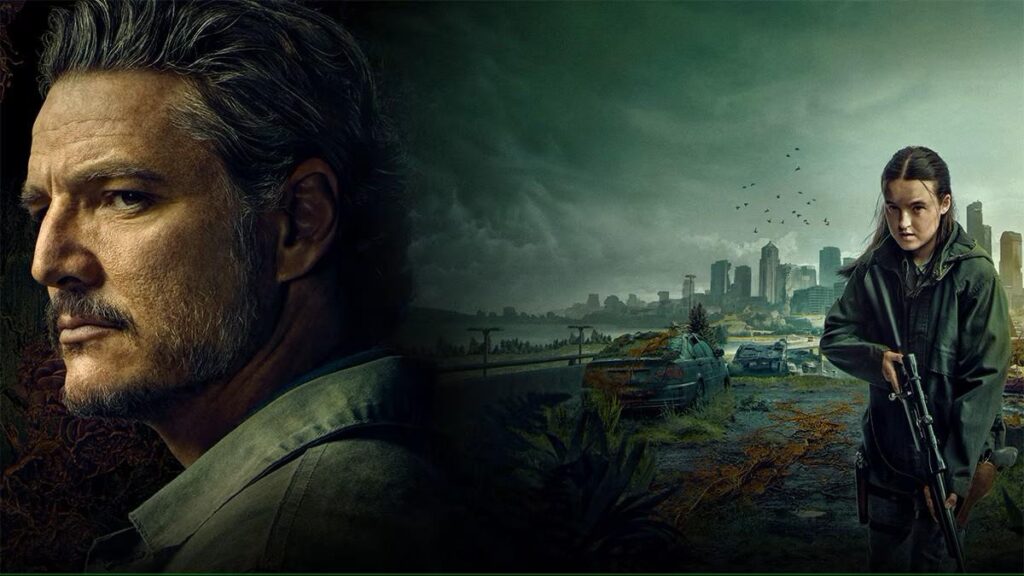
- It expands on the game’s lore, offering new character backstories and perspectives while staying true to the original’s core themes.
2. Themes and Storytelling: Game vs Series
If there’s one word to describe The Last of Us Part II, it’s “intense.” The game is built on layers of competing themes: revenge, forgiveness, loss, and the ugly cycles of violence that haunt survivors. With Ellie and Abby at its core, the story constantly challenges us to question who the villains really are… and whether justice is ever truly satisfying.
But translating these heavy, often polarizing ideas to TV won’t necessarily be easy. The HBO adaptation of Part I softened certain brutal elements to appeal to a wider audience while still retaining the essence of the original’s themes (like Joel and Ellie’s complicated bond). So, we speculate in this The Last of Us 2 game vs series comparison that if Part II’s divisive narrative makes its way to the screen, expect some adjustments. Would the audience be ready for Ellie making shocking choices fueled by anger while still grieving Joel? Or Abby’s shift from antagonist to co-protagonist?
While the game places control in the player’s hands, forcing us to feel the weight of each decision, the series will rely on pacing, cinematography, and strong performances to convey those same emotional beats. If done right, this could make the themes more accessible, but it’s an uphill battle for the showrunners to fully replicate the emotional punch of Ellie and Abby’s journeys.
3. Character Comparisons: Ellie, Abby, and Joel
The characters of The Last of Us Part II aren’t just players in a story; they’re the heart and soul of the franchise. Each one has their own struggles, scars, and motivations that draw us into their world. Comparing their game counterparts to their on-screen potential is a fascinating exercise.
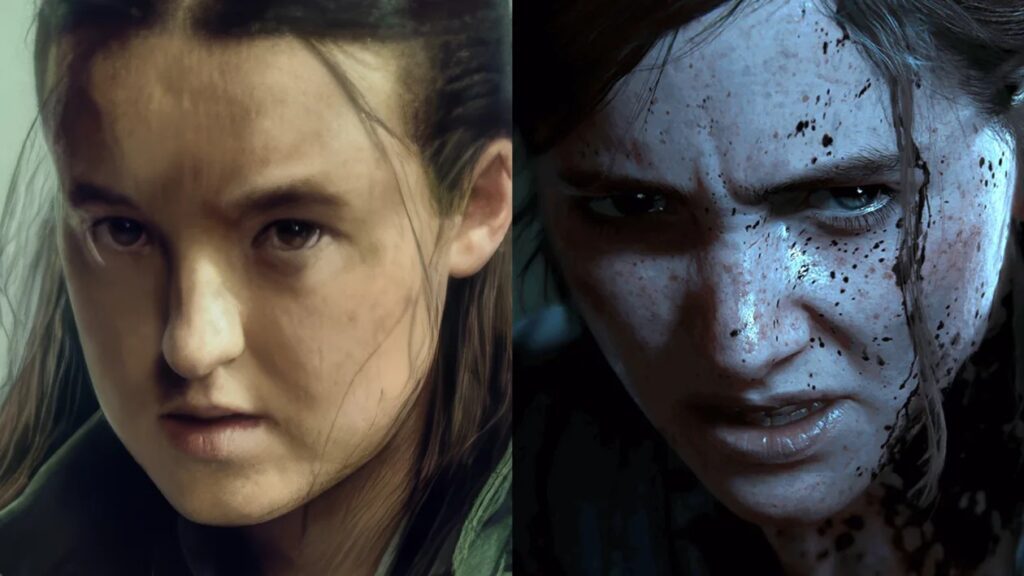
- The show presents Ellie as more defiant and emotionally expressive from the start.
3.1. Ellie’s Transformation: From Game Hero to TV Icon
We have noticed in our The Last of Us 2 game vs series comparison that Ellie is one of gaming’s most compelling characters, and her journey in Part II is nothing short of heartbreaking. In the game, we follow her evolution from a brave, vulnerable teen to someone consumed by revenge after Joel’s devastating death. This shift doesn’t come without consequence; Ellie loses herself in her mission of vengeance, alienates the people she cares about, and sacrifices parts of her humanity along the way.
The HBO series has already showcased Ellie’s tough yet endearing personality in Part I. But the question remains: will Bella Ramsey’s portrayal capture the fractured, vengeful Ellie we see in Part II? Their performance in Season 1 hints that they’re more than capable of bringing Ellie’s darker journey to life.

- In the show, Aby is played by Kaitlyn Dever.
3.2. Abby: The Divisive Co-Protagonist
Abby… oh, where do we even begin? Her introduction in Part II shook the fanbase like nothing else. As Ellie’s foil, she’s a character whose complexity has divided players since day one. Motivated by revenge for her father’s death (a direct result of Joel’s actions in Part I), Abby forces players to step into her shoes and see the world from her perspective.
We surmise in our The Last of Us 2 game vs series comparison that casting Abby for the HBO series will be a massive challenge, not just because of her physicality and strength, but because of how her character subverts expectations. If the show succeeds in humanizing her as the game did, without watering down her brutal mission, it has the potential to strike a chord with audiences.
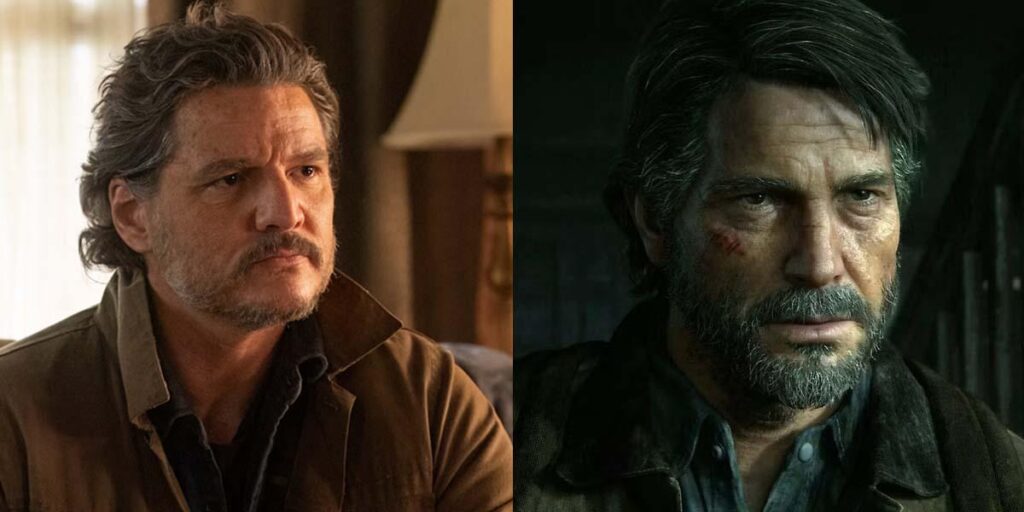
- Pedro Pascal’s Joel in the show is slightly softer and more openly emotional, adding nuance to his protective nature and moral struggles.
3.3. Joel’s Legacy and Flashbacks
Let’s not forget Joel, the emotional anchor of the series. In Part II, Joel’s actions in Salt Lake City loom over Ellie and Abby’s stories. We see him only in flashbacks, but his presence is crucial. His death early in the game is one of the most shocking moments in gaming history, and it sets the tone for everything that comes after.
Pedro Pascal’s portrayal of Joel in the HBO series hints at a slightly softer version of Joel compared to the grizzled, world-weary figure from the game. How the series handles Joel’s story will not only affect Ellie’s development but also shape the entire narrative moving forward.
4. Narrative Structure: Linear vs Nonlinear Storytelling
Unlike its predecessor, The Last of Us Part II leans into a bold and nonlinear narrative style. Flashbacks, time shifts, and alternating perspectives between Ellie and Abby create a layered puzzle that players piece together over time. This was a divisive choice; some loved it, while others found it jarring.

- The game’s linear path maintains tight pacing and immersion, while the show’s nonlinear moments offer context and contrast, often reframing character motives.
We believe in our The Last of Us 2 game vs series comparison that the HBO series will face a unique challenge here. Thus far, the show has followed a more linear structure, which works well for television storytelling. But adapting Part II in this style might risk diluting the emotional impact of its twists. Imagine not understanding Abby’s point of view until halfway through the season, just as the game intended. That approach could be risky, but incredibly rewarding if done right.
5. Visual and Gameplay Elements That Shape the Story
Let’s pause for a second to talk about how much the gameplay impacts the storytelling in Part II. As players, we don’t just watch Ellie and Abby’s struggles; we live them. The visceral combat, the sneaking through fungal-infested ruins, the tense standoffs with human enemies; it all puts you directly in the moment, forcing you to feel the weight of every action.
According to our The Last of Us 2 game vs series comparison, translating that intensity to TV won’t be simple. While the series can (and should) lean heavily on cinematography and sound design to mimic the tension of the game, there’s no interactive element to back it up. Will we feel the same heart-pounding dread when Ellie sneaks past infected or hunts Abby through Seattle? That depends on how the series captures our emotional investment in these moments.

- The game emphasizes player-driven tension and survival through interactive combat and exploration, while the series focuses on emotional storytelling and character development through cinematic pacing.
6. Differences Between the Game and Series
It’s safe to assume that HBO won’t adapt The Last of Us Part II beat-for-beat. The series has already made tweaks to the original game, expanding characters like Bill and Frank while omitting certain gameplay-heavy sequences. Some changes worked brilliantly for television, while others slightly softened the emotional blow of the narrative.
For Part II, these changes might be even more pronounced. Let’s face it, some parts of the game (like the prolonged Seattle sequences) might not translate well to TV. Expanding emotional moments, deepening character backstories, or restructuring timelines could enhance the story for a broader audience. The key, however, will be ensuring these differences don’t dilute the game’s emotional and thematic DNA.

- Season 2 expands on relationships, notably between Ellie and Dina.
7. Speculation on HBO’s Adaptation of Part II
With HBO already teasing more seasons, fans can’t help but speculate on how Part II will unfold on-screen. According to our The Last of Us 2 game vs series comparison, one of the biggest questions involves splitting the story into two seasons: one focusing on Ellie’s journey of revenge and the second diving into Abby’s perspective. This approach could help the show delve deeper into the characters without rushing through key moments.
Producer Neil Druckmann has hinted that the series will closely follow the game’s story, but also teased some “surprises” for fans. Considering how divisive Part II’s story was, the showrunners might aim to smooth some of those rough edges while remaining true to the core themes.
8. Wrapping It Up: A Tale of Two Media
At its heart, The Last of Us Part II is about humanity; its flaws, its beauty, its endless struggles. Adapting such a deeply personal, interactive experience into a passive medium like television is no small feat. Yet, judging by the success of HBO’s first season, there’s hope that Ellie and Abby’s journeys will resonate just as powerfully on-screen as they did in the game. We believe in our The Last of Us 2 game vs series comparison that whether it’s their heartbreak, their fury, or their fleeting moments of love, these characters and their stories have left a lasting mark across both media. What are you most excited (or nervous) about when it comes to HBO’s adaptation of Part II? Let us know; we’re dying to hear your thoughts! And there we have it; the big questions and insights into what might come next as The Last of Us Part II leapfrogs from console to screen. Here’s hoping it delivers the same emotional impact, no matter the medium!
FAQ: The Last of Us 2 and HBO Series
1. Will Abby’s storyline be the same in the HBO series?
It’s unclear, but fans are expecting Abby’s story to remain mostly faithful to the game. However, HBO might adjust aspects to make her character more accessible to viewers who aren’t familiar with the game.
2. Why did The Last of Us Part II use nonlinear storytelling?
The game’s nonlinear structure was designed to enhance emotional weight and allow players to see multiple perspectives. This approach created tension and empathy in ways a linear story couldn’t.
3. Will the HBO series split Part II into multiple seasons?
There’s speculation that Part II might be divided into two seasons, with one focusing on Ellie’s revenge and another on Abby’s perspective, though nothing official has been confirmed.
4. How will the series handle Joel’s death?
Joel’s death is central to Part II, and it’s expected to be just as shocking and emotionally charged in the HBO series. Pedro Pascal’s portrayal of Joel will likely add even more layers to this pivotal moment.