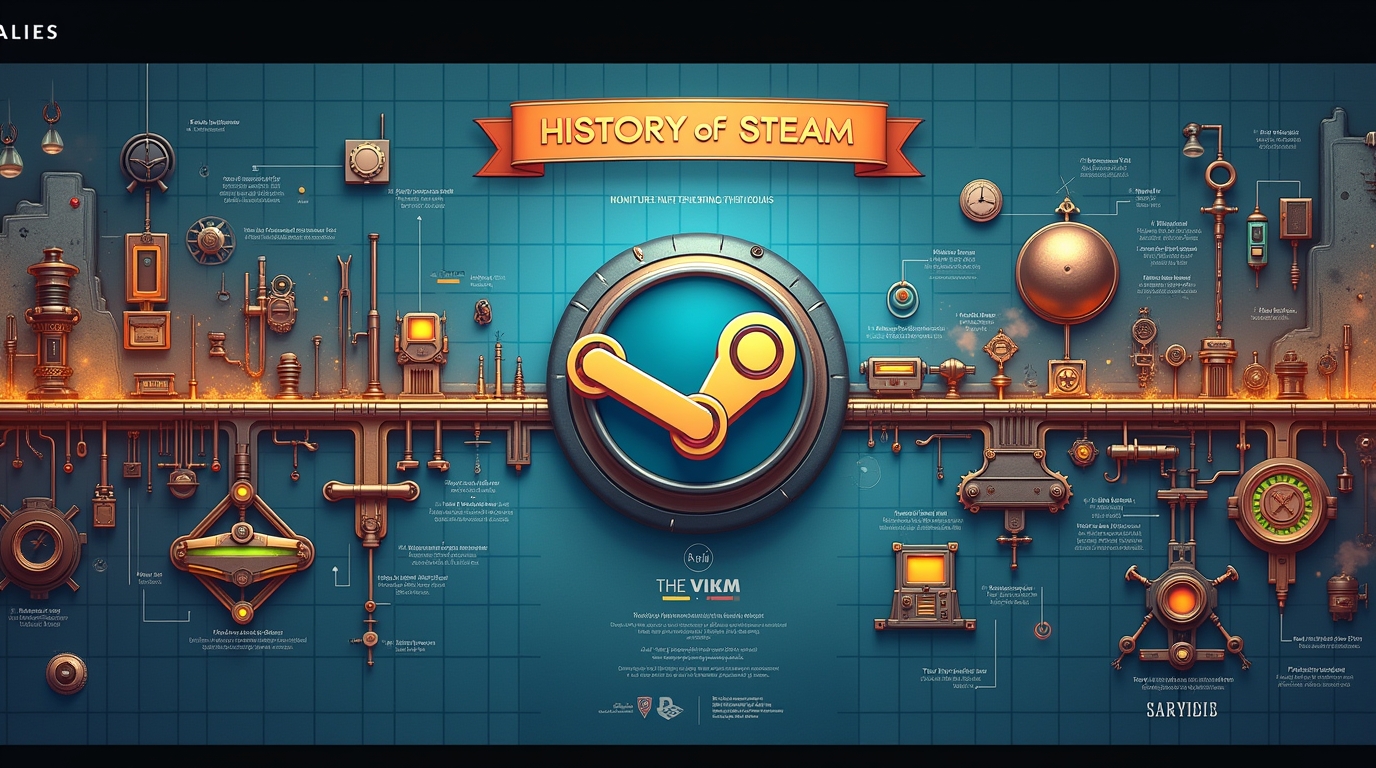

Consider this: the world of PC gaming used to be something wild; one game per disc, updates hunted down on suspicious forums, and multiplayer an adventure all its own. Logging in felt a bit like treasure hunting through the attic; every patch or community mod involved a leap of faith. Then, almost out of nowhere, Steam arrived. At first, we weren’t sure what to make of it. But now, it’s hard to even imagine gaming without Steam. Whether you’re new to digital game libraries or remember searching for Half-Life mods on dial-up, let’s set out together on the digital tracks of the history of Steam.
- Launched in 2003, it revolutionized game distribution by centralizing patches, updates, and multiplayer access.
History of Steam: From Ambition to Industry Backbone
We didn’t wake up one day with a massive, ever-growing list of games at our fingertips. The “history of Steam” is, at its core, the story of how our entire relationship with PC games was flipped on its head. As we unravel this saga, the patch headaches, the skepticism, the meme-worthy sales, the indie boom, and beyond, it becomes clear: this isn’t just about a piece of software. It’s the tale of how a tool by Valve became the heartbeat of modern gaming.
The Birth of Steam: Solving Problems in a Growing Industry
Let’s rewind to the late 90s and early 2000s; a time when the biggest challenges in gaming were less about ray tracing and more about tracking down the right patch for a buggy multiplayer game. Piracy was rampant, and we all remember those janky “no-CD cracks” and mod bundles that often did more harm than good. Valve, a developer riding high with Half-Life, looked at this chaos and thought, “Why not build a platform where updates, security, and access are all under one roof?”
So came 2003, and with it, the public debut of Steam. It promised auto-updates and a way to battle piracy, sure, but at the start, let’s be honest, there were plenty of raised eyebrows. Gamers grumbled about required logins and new hoops to jump through, while publishers hesitated to trust a digital storefront. For every step forward, there seemed to be a technical hiccup or a chorus of skeptics ready to voice their doubts online. Yet, a spark had been lit, and it wouldn’t stay small for long. In the history of Steam, this rocky beginning marked just the first chapter of what would become a revolution in digital game distribution.
- It features a built-in social system including friends lists, chat, and user profiles.
Early Days and Growing Pains
Anyone who installed Steam in those first years probably remembers the pain: slow downloads, server issues, and a sense of being “forced” onto this new system, especially once Half-Life 2 came around. We had to learn to trust that games bought on Steam would actually “always be there,” and that was a big deal.
Counter-Strike, ever the crowd favorite, was among the first to require the platform for updates, generating equal parts frustration and curious loyalty. Steam felt like a bit of an unruly experiment at times, but bit by bit, more studios joined in. Patches became less of a scavenger hunt. Slowly, it wasn’t just Valve’s games on Steam; we started to see names like id Software and Ubisoft pop up, changing the tone and transforming Steam from “that Half-Life thing” to an emerging gaming hub.
Through every hiccup, we could sense something big brewing. We just didn’t realize yet how much it would reshape our hobbies, and even our social lives.
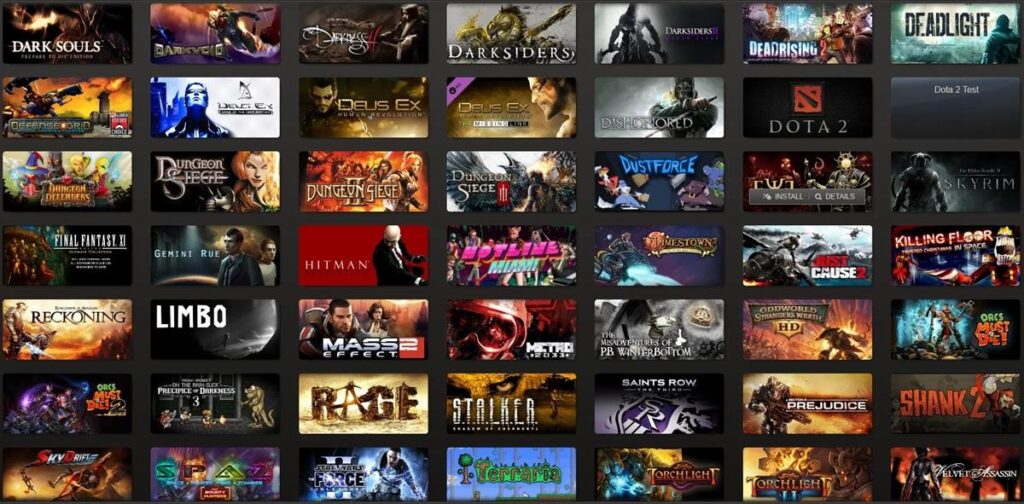
- Steam’s regular sales, like the Summer and Winter Sales, are legendary for offering deep discounts.
Major Milestones: Evolution from Storefront to Platform
As time rolled on, Steam wasn’t just fixing old problems; it was dreaming up entirely new ways for us to play. In the history of Steam, a major milestone came when non-Valve games joined the library and titles like The Elder Scrolls IV: Oblivion or Civilization IV landed on the platform, signaling to everyone, major and indie alike, that digital storefronts were the future.
We can’t talk about Steam’s evolution without mentioning the cultural tsunami of its mega sales. Remember the giddy anxiety of the first major Steam Winter Sale? Suddenly, everyone we knew was hoarding games they might never get to, and memes about “the backlog” went viral. Achievements, cloud saves, trading cards, and mods via the Steam Workshop transformed play from a solo adventure into a buzzing community experience.
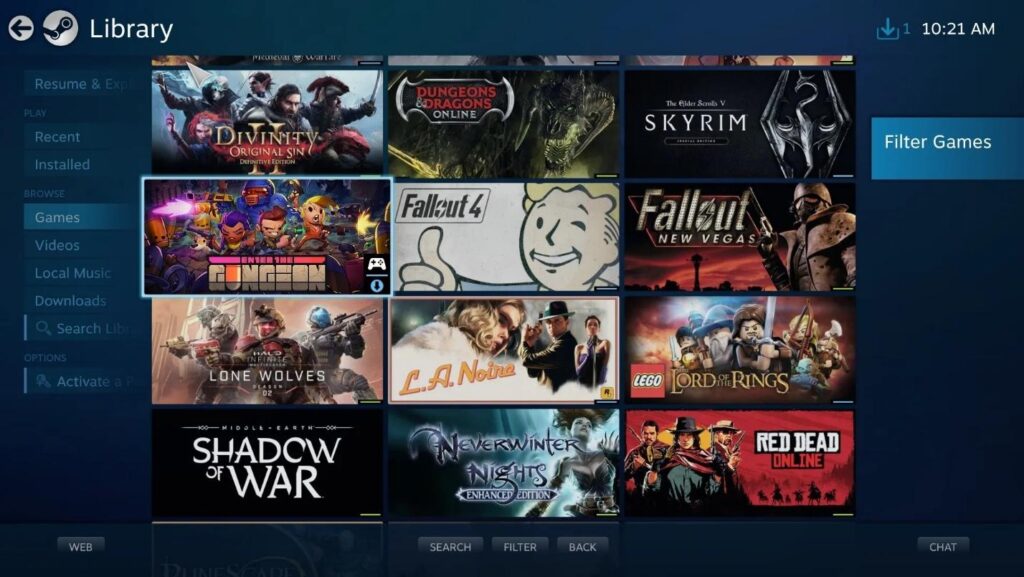
Then came the rollout of the Steam Community, allowing us to form groups, make new friends, and discover like-minded players around the globe. Steam’s forays into new territory, like Big Picture Mode (designed for TVs), SteamOS (a bold if bumpy Linux experiment), or the surprisingly robust Steam Deck, proved that Valve wasn’t content to stand still.
Steam’s redesigns, new features, and worldwide expansions felt like watching a platform grow up before our very eyes. It became more than a shop; it was our second digital home.
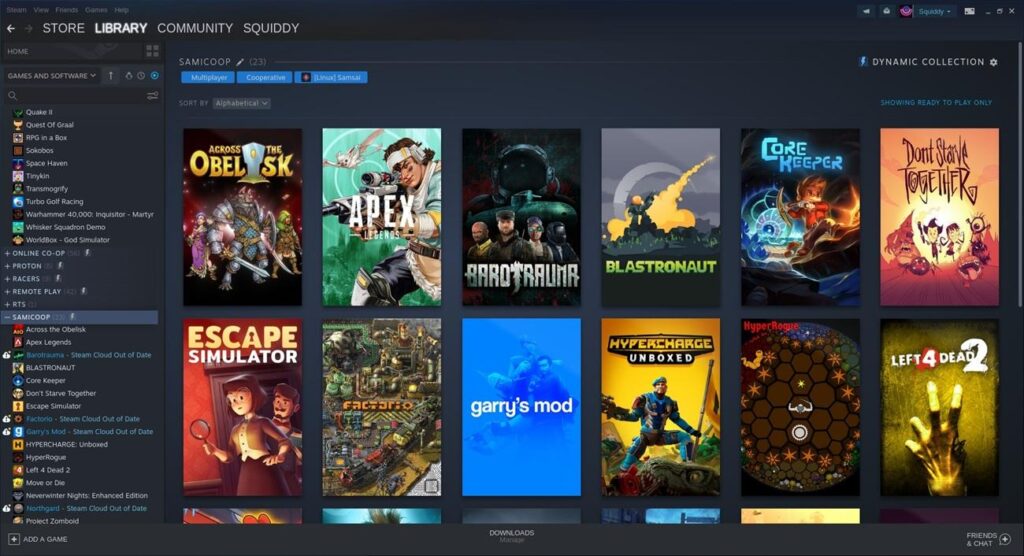
- Steam’s achievement system adds replayability and challenges for players.
How Steam Changed Game Buying and Playing Forever
Before Steam, buying games was all about boxes on shelves, circles scratched into CDs, and stacks of manuals threatening to topple over. In the history of Steam, this shift from physical to digital marked a turning point in how we interact with games. These days, we buy with a click (sometimes three clicks in a row; those sales are dangerous), play anywhere with our logins, and rarely fret about storage. We know our Steam library awaits us on any computer when we log in; your favorite game is just a download away.
Friends lists and chat windows brought multiplayer into new territory. No more juggling MSN Messenger and GameSpy Arcade; everything was central, seamless. Mods became easier to browse, install, and share, thanks to Workshop support.
Maybe the most comforting change was auto-patching. No more hunting for version numbers; no more wrestling with dodgy .zip files. With Steam, we took for granted what had once been chaos.
We can credit Valve with making the “digital library” idea a daily reality. Suddenly, the local game shop started to feel more like a nostalgia trip than an everyday necessity.
- Steam Deck, Valve’s handheld gaming device, runs on a custom SteamOS and supports the full Steam library.
Steam and the Rise of Indie Games
We can’t celebrate the history of Steam without raising a glass to the indie revolution it sparked. The Greenlight program (and later Steam Direct) tore down the iron gates that kept small studios out of the spotlight. Before, getting a game in front of millions of eyes was a miracle; now, a lone developer or tiny team could connect with the world.
Who could forget the first time they played Stardew Valley or Hollow Knight, only to learn it was made by a handful of passionate people, or even just one? Games like Among Us, Undertale, and Celeste went from obscurity to cultural phenomena, all because Steam gave them a platform and players gave them a chance.
We’ve witnessed entire genres, roguelikes, visual novels, quirky simulators, flourish in ways unthinkable in the old “publishers rule everything” era. Even niche communities found new life. It’s not too much to call this the democratization of game publishing.
- Steam offers user reviews and ratings, helping gamers make informed purchasing decisions.
Challenges, Controversies, and Competitors
Of course, it hasn’t all been smooth sailing. For every milestone, there have been debates and drama. Gamers voiced strong feelings about Steam’s DRM (digital rights management), which sometimes made offline play tricky. Some popular games vanished from libraries, sparking questions about ownership in the digital age.
Curation? A double-edged sword. On one hand, more choices meant wider horizons; on the other, it triggered waves of shovelware and occasional controversy over what content should be allowed. In the history of Steam, this era of rapid expansion and looser gatekeeping sparked debates that still echo today. In recent years, competitors like the Epic Games Store, Origin, GOG.com, and more have shaken things up, sometimes scooping up exclusives that would have once landed naturally on Steam.
Policy tweaks, on refunds, reviews, adult content, and modding, sparked passionate debates within the community. But through every shake-up, Steam evolved, sometimes slowly, sometimes radically. And amid it all, the platform has always had to balance new freedom with responsibility; to creators, players, and even its rivals.
- Steam remains one of the most dominant and influential platforms in the PC gaming industry.
Steam’s Legacy and the Future of Digital Gaming
Standing here today, looking back at Steam’s journey is a bit like thinking about the first time we rode a bike; at first, all wobbles and scraped knees, now so deeply a part of life we do it without thinking. Steam didn’t just change gaming for us; it changed the world’s idea of what digital play could be.
Major console and phone ecosystems have borrowed heavily from Steam’s “library” model, rolling out sales, auto-updates, achievements, and robust communities. Valve keeps experimenting; VR with the Index, the pick-up-and-play convenience of Remote Play, and now, the Steam Deck making serious PC games portable in ways most of us only dreamed about.
Nobody can say what’s next with total certainty. Will streaming services overhaul it all? Will VR become the norm? One thing feels certain: in the history of Steam, many lessons were learned the hard way, through gamers showing up, speaking up, and forming communities of their own, and most platforms will continue to borrow from that legacy.
The one thing we can count on is change, and we’ll be here, trading stories, achievements, and recommendations for decades to come.
In the End: Steam as Gaming’s Game-Changer
All in all, the history of Steam isn’t just about a piece of software; it’s about a shared experience, a true digital revolution that changed how we play, connect, and dream about games. We’ve watched Steam go from a buggy curiosity to the backbone of the modern gaming world, shaping trends, transforming friendships, and opening the doors for new kinds of stories. If you’ve ever lost a weekend to a new indie gem or found yourself laughing with friends halfway across the world, you’re part of this story too. Steam’s journey is our journey, and as we look to the future, the only real question left is: what will we discover and play together next? Got your own Steam memory or epic sale story? We’d love to hear it. Because, in the end, it’s not just about the platform; it’s about the community all of us helped build.
FAQs: Steam’s Digital Revolution; What You Want to Know
Q1: What was the very first game sold on Steam?
A: The original game available at Steam’s launch was “Counter-Strike” with updates delivered digitally; however, “Half-Life 2” was the first blockbuster title to require Steam for activation, marking a true turning point for the platform.
Q2: How does Steam support modding and community creations?
A: Steam’s Workshop feature lets users download, install, and create mods, asset packs, and custom levels with a single click, making mods accessible without risky sites or complicated installs.
Q3: Can you access your Steam games on multiple devices?
A: Yes, Steam allows users to install their games on as many devices as they like, provided they’re logged in. Cloud saves also mean your progress usually follows you wherever you play.
Q4: Has Steam ever offered free games or major giveaways?
A: Absolutely! Steam frequently offers time-limited free games during events or anniversaries and features regular demos and free weekends for a wide variety of titles.
Infographics:
—
History of Steam: Gaming’s Digital Game-Changer
—
From Discs & Chaos to a Click Away
– Remember juggling game discs and searching shady forums for patches?
– Steam (launched by Valve in 2003) reimagined it all: auto-updates, anti-piracy, a single digital library.
– Early days? Rough. Slow downloads and skepticism, but also the start of something huge.
—
The Big Shift: How Steam Changed Everything
– With Half-Life 2’s release, Steam became essential; even as gamers grumbled, convenience won.
– Major publishers joined, making Steam the central hub for PC games.
– Massive sales (Winter Sale, anyone?) changed how we collect games; “backlog” became a meme!
—
Indie Revolution: Everyone Gets a Shot
– Greenlight & Steam Direct let small teams (or solo devs) release their games.
– Indie hits like Stardew Valley, Undertale, and Hollow Knight changed gaming forever.
—
FAQs
– First big game: Half-Life 2
– Modding: Steam Workshop = Ez mods!
– Library: Access games on any device, cloud saves bring your progress
– Freebies: Tons of free titles, demos, & free weekends
—
Legacy & Future
– Steam-shaped digital gaming is always evolving; VR, Steam Deck, and global communities.
– It’s more than a store; it’s where we discover, connect, and play together.