I’ve lost track of how many sleepy Stardew Valley mornings I started with a simple hope: “Maybe today’s the day for an Ancient Seed.” If you’re reading this, or stumbled upon a Stardew Valley Ancient Seeds guide, you’re probably part of the club: curious, a little envious of those lush, blue-green Ancient Fruit orchards you see on forums, and wondering whether you truly can get there from a single lucky dig. Trust me, Ancient Seeds are not just another crop. They’re your farm’s rite of passage, the stuff of greenhouse legend, and the dream that keeps players returning to the dirt, season after season.
1. Introduction: Stardew Valley Ancient Seeds Guide
There’s a buzz in the air the first time you hear about Ancient Seeds. For weeks, I thought it was a myth; maybe some kind of late-game secret, or a reward reserved for pros. But it’s real, and just rare enough to make finally getting one feel like a rite of passage. You’ll see players everywhere asking, “What are Ancient Seeds and why do so many people desperately want them?” The answer is both simple and magical: they grow Ancient Fruit, arguably the highest-earning, prettiest, and most satisfying thing you can plant. For brand-new farmers, though, it might seem impossibly out of reach, especially when you discover that Ancient Seeds aren’t even for sale at Pierre’s. Are Ancient Fruit worth the hype? Absolutely. Is getting your hands on the first seed a wild ride? You bet.
2. What Are Ancient Seeds? (And How Do They Work?)
To get this out of the way in this Stardew Valley Ancient Seeds guide: Ancient Seeds come in two flavors: an artifact and a plantable seed packet. Early on, you’ll likely find the artifact version: a strange, prehistoric pod you can’t plant or eat (and honestly, the game’s description doesn’t help much). Their magic only unlocks once you donate that artifact to the Museum.
Once you have the plantable variety, things get exciting. You’ll use them just like any other seeds, and with enough time, they grow into Ancient Fruit: a vibrant, blue oval that’s valuable and versatile. Can you eat Ancient Seeds? Not directly; they’re for growing only! And while you can plant them outdoors in spring, summer, and fall, most players learn fast that the Greenhouse is the dream destination, where Ancient Fruit produces a year-round, reliable harvest.
Additional Notes:
- Ancient Seeds artifact and seed packet are distinctly different items, so make sure you understand which one you have.
- The artifact version cannot be planted and serves mainly to unlock the seed crafting recipe.
3. How to Find Your First Ancient Seed (Step-by-Step)
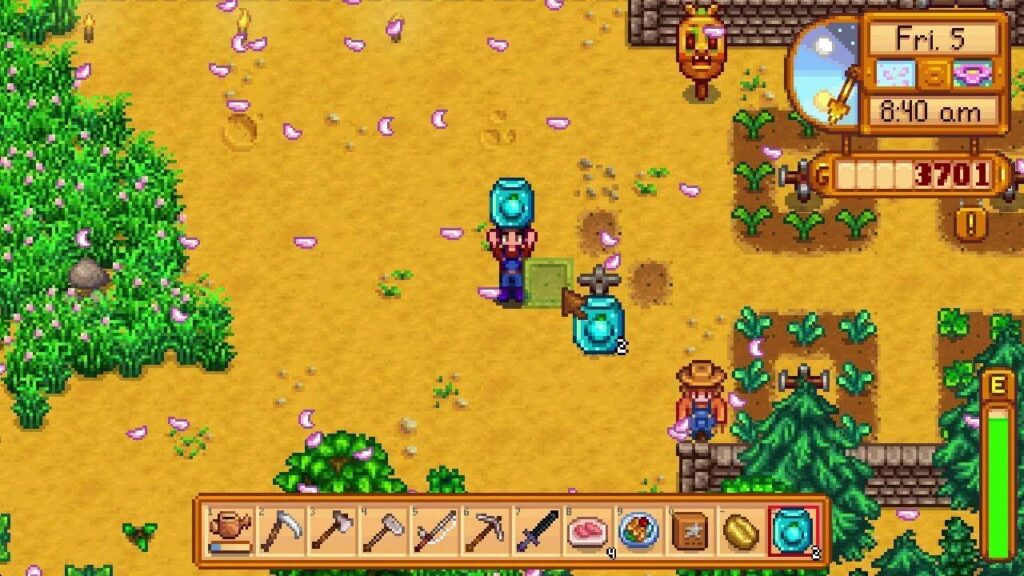
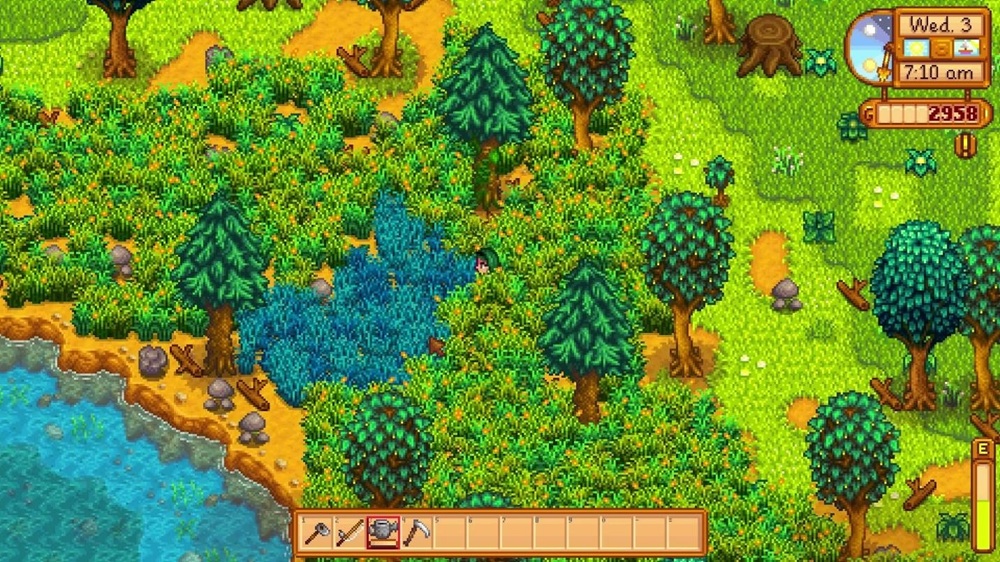
Let’s pull back the curtain in this Stardew Valley Ancient Seeds guide: Ancient Seeds are buried deep in RNG (random chance), but every player has a path. My first encounter came as a shock, digging in the Cindersap Forest with nothing but beginner’s luck. Here’s where you might dig up your first Ancient Seed artifact:
– Artifact Spots: Those little squiggly worm tiles around the map. Especially common in the Cindersap Forest and the Mountain areas.
– Fishing Treasure Chests: Sometimes, the mountain lakes or rivers gift you with an ancient prize.
– Killing Bugs (Mutant Grubs) in the Mutant Bug Lair or from specific monsters.
– Seed Maker: There’s a tiny 0.5% chance to get an Ancient Seed when processing any crop, though this method is more of a late-game sprinkle of luck.
But my journey wasn’t smooth; I lost three weeks waiting for the Traveling Cart to sell me an overpriced Ancient Seed packet (possible, but not reliable). If you’re following any Stardew Valley Ancient Seeds guide, you’ll know the key. Donate your first Ancient Seed artifact to the Museum. Don’t sell it, don’t hoard it, just walk it over to Gunther! And, yes, you should prioritize this over anything else the moment you find it.
Additional Notes:
- The Traveling Cart sells Ancient Seed packets only rarely, and prices can be very high. This is considered an unreliable method to obtain them early.
- Artifact spots can be seasonal or location-dependent, so check multiple areas and seasons to increase your chances.
4. Converting an Ancient Seed Artifact Into a Plantable Seed
If you’re anything like me, you’ll be staring at the Ancient Seed artifact in your bag, wondering, “What am I even supposed to do with this thing?” Here’s the secret: Donating it to the Museum unlocks the whole Ancient Seed storyline for you.
Step-by-step:
1. Find the Ancient Seed artifact.
2. Bring it straight to Gunther at the Museum.
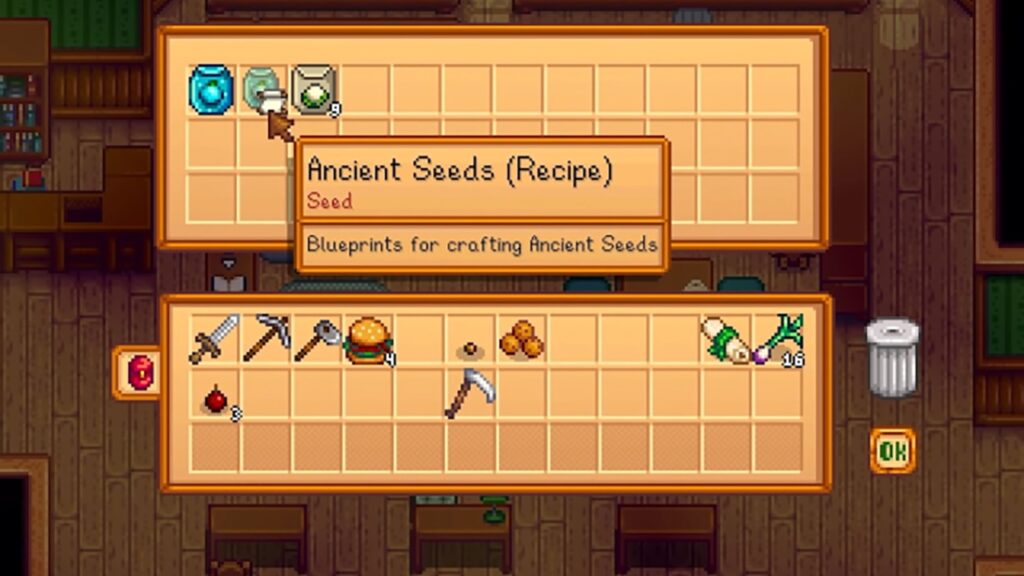
3. After donating, you’ll instantly be rewarded with a plantable Ancient Seeds packet, plus a crafting recipe so you can make more seeds later with Ancient Fruit.
If you find another artifact after this, you can either donate it (if you haven’t already) or sell/save for bragging rights. According to any solid Stardew Valley Ancient Seeds guide, the real treasure is the packet and that crucial crafting recipe; that’s how an artifact becomes an orchard!
Additional Notes:
- Donating the artifact to the Museum is a one-time action per save file, but if you find duplicates before donation, hold onto them until you can donate.
- The crafting recipe unlocked allows you to create Ancient Seeds from Ancient Fruit indefinitely.
5. The Best Way to Multiply Ancient Seeds and Build an Orchard
Here’s the turning point that separates casual players from future valley moguls. As soon as you get an Ancient Fruit (it’ll take a while to harvest the first one after planting; from seed to fruit is 28 days), stick it in a Seed Maker. Unlike most crops, Ancient Fruit in the Seed Maker always yields 1–3 packets of Ancient Seeds! If you’re asking, “How do I fill my whole Greenhouse with Ancient Fruit?” This is the method almost everyone uses.
Pro tips I learned the hard way:
– Don’t sell or keg every Ancient Fruit right away; keep one for replanting/Seed Maker multiplying!
– Beware crows; they will go after your precious Ancient Seed sprouts outside the Greenhouse, so buy those scarecrows early.
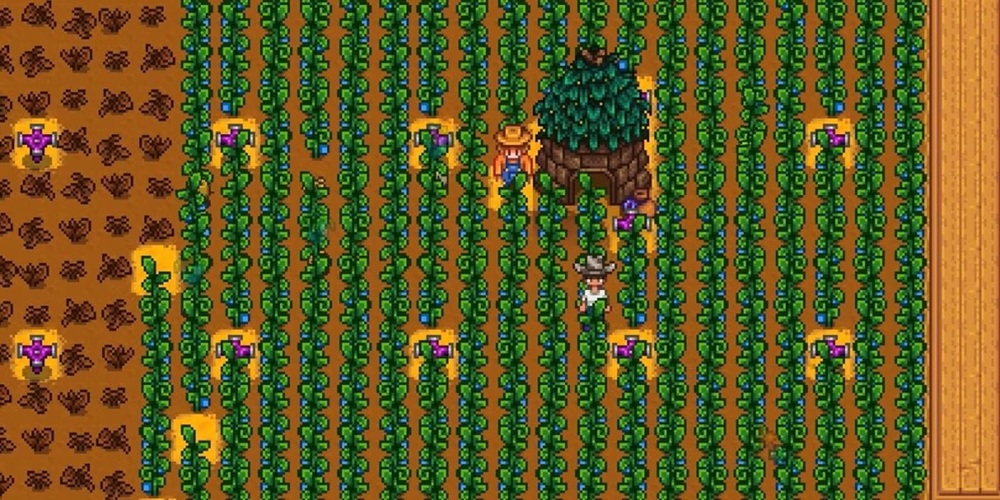
– With 116 possible plant spots in the Greenhouse, set a game plan: multiply seeds, plant, repeat. Sprinklers and scarecrows can turn a month-long grind into a year-round cash machine.
And yes, sometimes the Seed Maker gives you Mixed Seeds or weeds, but as any good Stardew Valley Ancient Seeds guide will tell you, Ancient Fruit is the only crop that always has a positive return. The journey is slower outdoors; Ancient Fruit only grows in spring, summer, and fall (outdoors), but goes year-round indoors.
Additional Notes:
- The Seed Maker’s drop rates are consistent for Ancient Fruit: you always get 1–3 Ancient Seed packets, unlike other crops.
- Protect outdoor seedlings with scarecrows, but indoor Greenhouse plants are safe year-round from crows.
6. Growing Ancient Fruit: Seasons, Growth Time, and Care
Those first weeks of waiting are tough. Ancient Seeds take a full 28 days to mature from planting to the first Ancient Fruit, and then, here’s the magic; they’ll produce new fruit every 7 days after that, without ever dying as long as the season (or Greenhouse) allows.
What season is best? If you don’t have a Greenhouse yet, plant them as early in spring as possible. Outside, they’ll die when winter hits. Inside the Greenhouse, they’ll provide year-round harvests, making them some of the highest-profit crops in the game.
A small tip: Ancient Seeds cannot be planted in winter, even with wild tricks, unless you’re using the Greenhouse or Ginger Island. Always use sprinklers to keep farming easy and risk-free.
Additional Notes:
- Ancient Fruit planted outdoors will wither at the end of fall and cannot survive winter unless grown inside the Greenhouse or on Ginger Island.
- Sprinklers drastically reduce maintenance time, especially for large Ancient Fruit orchards.
7. Ancient Fruit Uses: Selling, Gifting, and Artisan Goods
Now, what do you do with all this bounty? Any Stardew Valley Ancient Seeds guide will point out that while Ancient Fruit sells for 550g (base price), savvy farmers quickly pivot to ancient wine, which, after aging, can sell for a whopping 3,300g (with the Artisan profession)! Jelly is an option, too, but for lower profit.
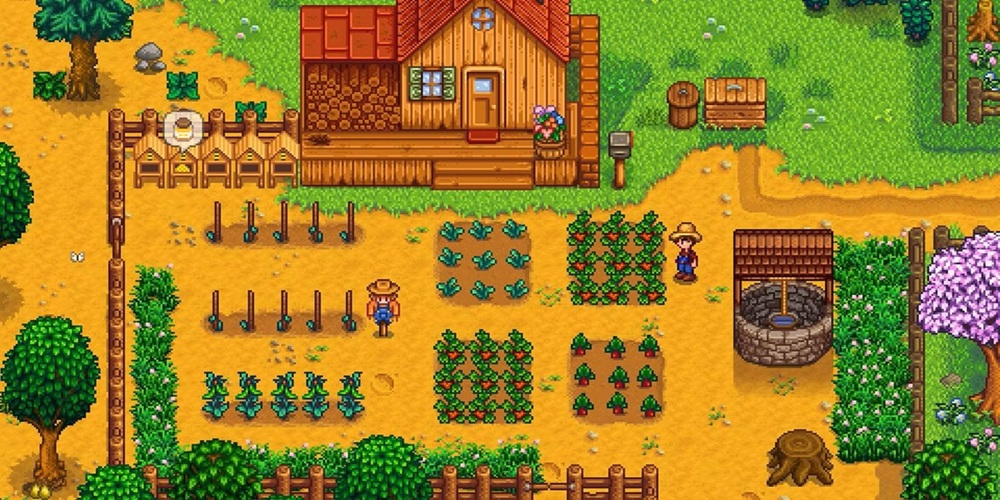
While you might be tempted to gift Ancient Fruit, only a few villagers (like Krobus) love it, and nobody outright hates it. It doesn’t fit into any Community Center bundles, but don’t worry; its true role is endgame profit and bragging rights.
So, should you brew wine, make jelly, or just sell fresh? I usually stash a few Ancient Fruit as gifts for Krobus and Pam, but the wine cellar is where most of my precious fruit ends up.
Additional Notes:
- Ancient Fruit Wine yields the highest profit when aged in casks, especially with the Artisan profession perk.
- While many villagers like Ancient Fruit as gifts, it does not count toward any Community Center bundles.
8. Common Pitfalls and Pro Tips for Ancient Seed Farmers
Let me confess: I’ve lost Ancient Seeds more ways than I care to admit:
– Accidentally selling my only Ancient Seed before donating to the Museum
– Forgetting to plant a scarecrow and watching crows devour my first sprout
– Dumping all my first Ancient Fruit into wine before tossing even one in the Seed Maker
To avoid my mistakes: always protect seedlings, save a fruit for multiplying, and double-check your inventory before selling or storing. Any thoughtful Stardew Valley Ancient Seeds guide will remind you that in the rush to multiply, it’s sometimes better to take it slow and make sure you’re ready before going all in.
And some players wisely ask, “Is it ever just not worth the hassle to chase Ancient Seeds?” If you’re impatient or prioritizing early-game Community Center bundles, it’s okay to grow at your own pace. But for late-game profits and satisfaction, it’s worth every moment.
Additional Notes:
- Always double-check inventory before selling to avoid accidentally losing rare seeds or fruit.
- Consider dedicating a small plot early on for Ancient Seeds to protect and nurture your first crop.
9. In the End: The Ancient Seed Dream; Is It For You?
Mastering Ancient Seeds is a journey built on patience, little victories, and more than a little luck. There’s something quietly special about walking into your Greenhouse to a blue sea of Ancient Fruit plants; every harvest is a reminder of that first lucky artifact, and every new player’s “aha!” moment along the way. For me, the chase was as sweet as the reward. Was it frustrating? Sometimes! But the first time I filled a Seed Maker with Ancient Fruit and watched my future crops multiply, it all felt worth it. If you’re still hunting for your first seed, don’t give up; luck can turn with a single dig or a friendly museum visit. Any good Stardew Valley Ancient Seeds guide will tell you it’s a game of patience and timing. I’d love to hear: what’s your luckiest (or most unlucky!) Ancient Seed moment? Happy farming, and may your Ancient Seeds grow plentiful!
FAQ
1. Can you get Ancient Seeds from digging up dirt in the Skull Cavern or the Volcano Dungeon?
While artifact spots in the Skull Cavern and Volcano Dungeon don’t drop Ancient Seeds, you can still find them from artifact spots on the main map and Ginger Island, as well as from digging “artifact spots” in the Mountain or Cindersap Forest.
2. Is there a way to guarantee an Ancient Seed from the Traveling Cart?
The Traveling Cart inventory is entirely random, and Ancient Seeds can appear, but there’s no method to guarantee it; check the cart on Fridays and Sundays for a chance, and bring plenty of gold!
3. Can you grow Ancient Seeds on Ginger Island, and are there differences?
Yes, you can plant Ancient Seeds on Ginger Island, and since there are no seasons there, your Ancient Fruit will continue to produce year-round just like in the Greenhouse; an excellent spot for secondary orchards!
4. Do Junimos (from the Junimo Hut) harvest Ancient Fruit automatically?
Absolutely; Junimos will pick Ancient Fruit and most other crops when ripe, so you can fill your Greenhouse or fields and let your little helpers keep the Ancient Fruit coming, even if you forget to log in for a few game days.
Infographics:
Ancient Seeds: Stardew Valley’s Rare Dream Crop
What Are Ancient Seeds?
– Legendary seeds grow Ancient Fruit: the game’s ultimate profit plant!
– Artifact versions must be donated to the Museum; don’t plant or sell them!
How to Find Them
– Dig squiggly artifact spots (Cindersap Forest, Mountain)
– Lucky finds via fishing treasure, monster drops, or the rare Traveling Cart
– Pro tip: Don’t lose hope; RNG rules, but one dig can change everything!
Unlocking & Multiplying
– Donate your first artifact to Gunther for a plantable packet + crafting recipe.
– Grow Ancient Fruit, then use a Seed Maker to multiply seeds for an orchard.
– Each fruit in the Seed Maker yields 1–3 packets; Greenhouse fills up fast!
Growth & Profits
– Ancient Fruit: 28 days to grow, then harvest every 7 days; year-round in a greenhouse or on Ginger Island.
– Turn fruit into wine for ultimate gold rewards, or gift to special villagers.
Pro Tips
– Protect sprouts from crows!
– Always save one fruit for Seed Maker multiplying.
– The journey is worth it, for late-game riches and pure Stardew pride.