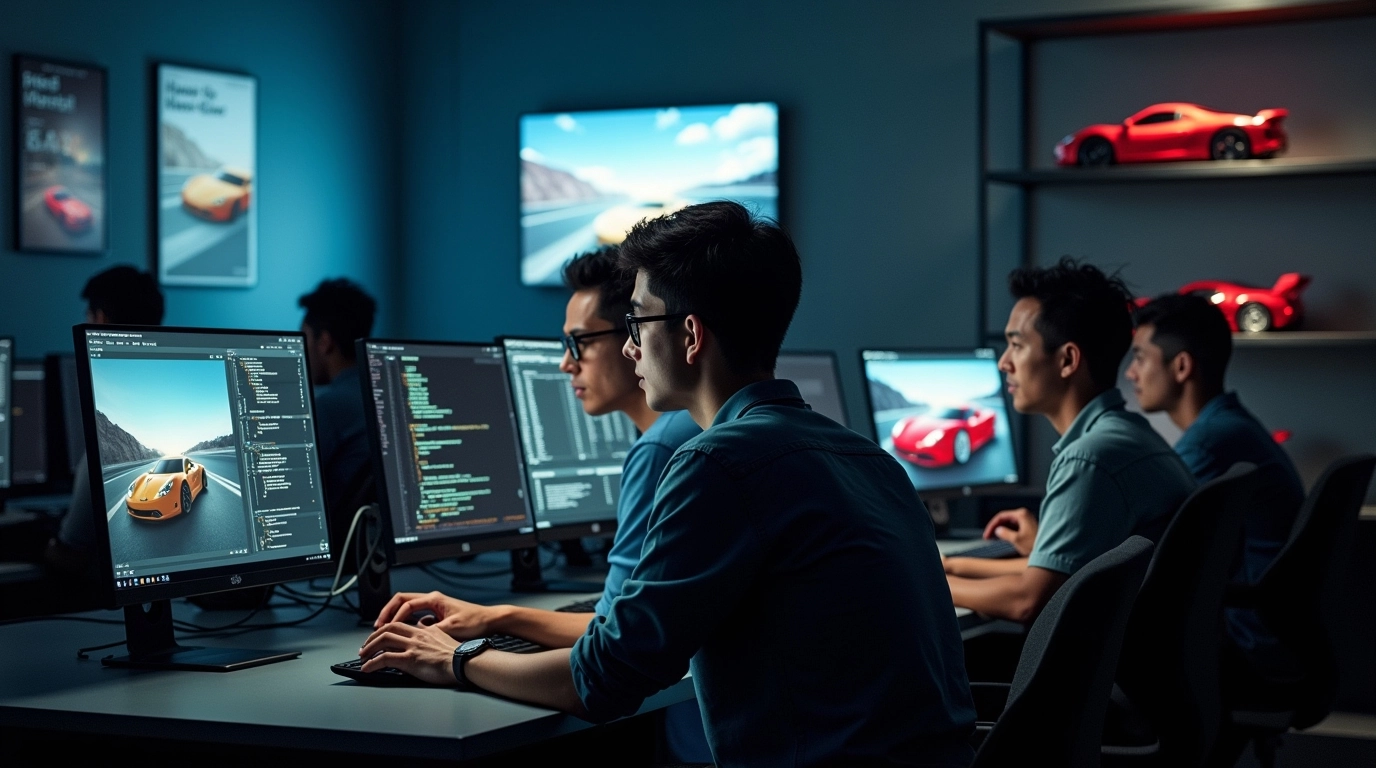

It’s a scene most of us know all too well: midnight streetlights blazing, the hum of a turbocharged engine, and that unmistakable anticipation before the race begins. Need for Speed isn’t just a game; it’s a dose of pure adrenaline, mixed with just enough impatience to have us tapping the gas. Ever find yourself wondering how the wildest racing fantasies of our teens and twenties were brought to life? You’re not alone. We’ve spent countless hours burning rubber, but what about the folks who built these highways? Let’s pull back the curtain and take you on a creative joyride through the making of Need for Speed; from its earliest blueprints to the roaring, neon-lit streets we crave today. Buckle up; there are some stories (and speed bumps) ahead.
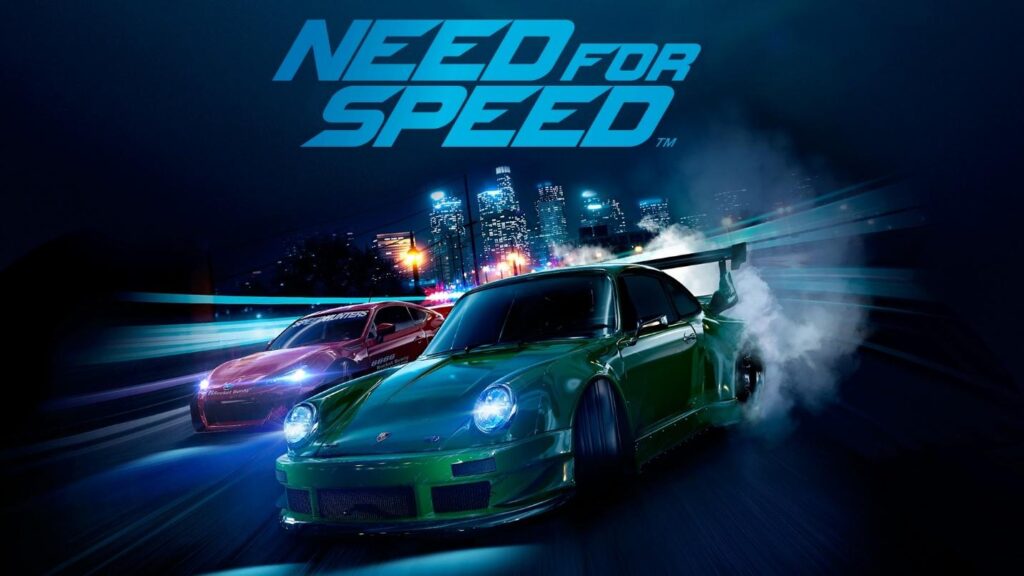
- Blending arcade-style gameplay with cinematic flair, it has become one of the most iconic names in racing video games.
1. Why We’re Still Fascinated by the Making of Need for Speed
Something magical keeps fans coming back, generation after generation. Maybe it’s the thrill of outrunning the law, or those lazy afternoons customizing our cars until the sun dipped below the horizon. Sometimes, after a long day, we’d fire up an NFS classic just for the comfort of its soundtracks and that unmistakable feeling of street-racing freedom.
But the real fascination? It’s in the choices and chaos that spun under the hood; passionate teams making last-minute calls, features born on sticky notes at midnight, and the struggle to keep up with a world that never stops moving (or drifting). By the end, discovering how NFS is made is just as cool as crossing the finish line first.
2. The Origins: How the First Need for Speed Was Conceived
Rewinding to the early ’90s, the racing scene was still simple. But in the making of Need for Speed, Electronic Arts Canada saw a gap; a chance to create something realistic, fast, and loaded with dream cars. Enter their unlikely partner: Road & Track magazine. Real automotive writers brought knowledge, and maybe a little stubbornness, to the blueprint.
The first NFS, released in 1994 on the 3DO (and soon PC, PlayStation, and Saturn), was a revelation. We can still remember seeing those glossy Lamborghinis and Ferraris; every button press had weight, every engine was distinctly modeled, and the AI police introduced a new level of chaos. What sets it apart? The cars handled like their real counterparts, and the stakes, while digital, felt real. That sense of “just one more run” started here; for us, it was the birth of an obsession.
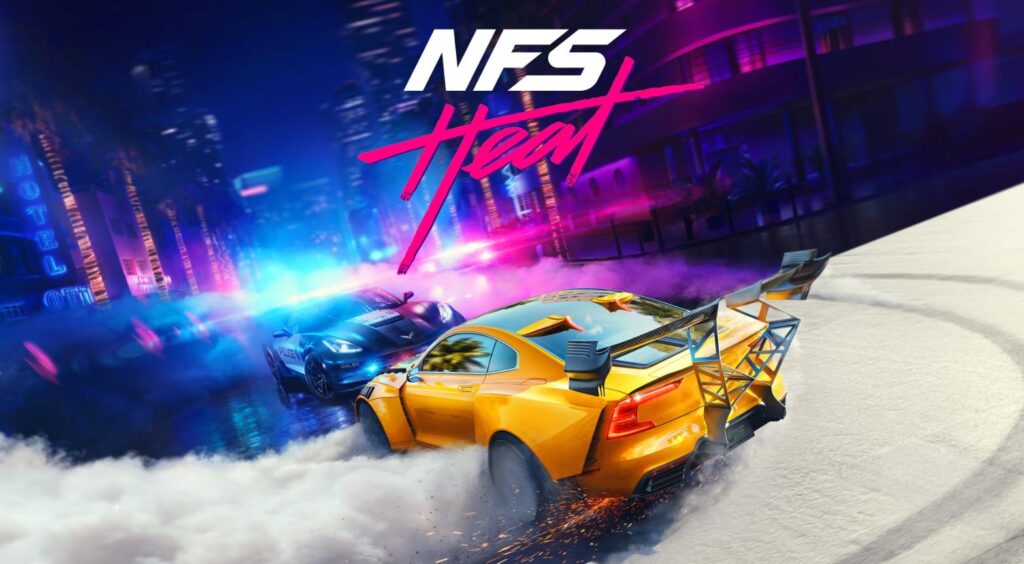
- Titles like NFS: Underground and Most Wanted became cultural milestones.
3. Tech & Innovation: How the Developers Pushed Limits
Behind every game, there’s a tangled story of midnight coding sprints, bug hunts, and hardware limitations. Need for Speed developers, whether at EA Canada, Black Box Studios, or Ghost Games, lived for innovation. The late ‘90s wowed us with FMV cutscenes: real actors, cheesy drama, and more style than you’d expect from a racing game. Each new console jump meant brighter lights, more detailed rain, and cities that stretched until sunrise.
When Need for Speed: Underground 2 rolled out its open world, our minds were blown. In the making of Need for Speed, this was a bold leap; one that redefined what a street racing game could be. For the first time, we weren’t just choosing a race; we were living the scene, complete with endless car customization and a soundtrack that still sneaks into our playlists. And don’t even get us started on partnering with car manufacturers: every Ferrari and Skyline required careful negotiation, from how the metal shimmered to how it could crash (or not).
Elsewhere, quick-thinking devs kept sound design authentic; recording real engine roars and tire squeals in parking lots, sometimes attracting the wrong kind of attention. As tech marched on, we got dazzling sunsets in Hot Pursuit and city skylines that made us want to stop and stare (though, who really brakes in NFS?).
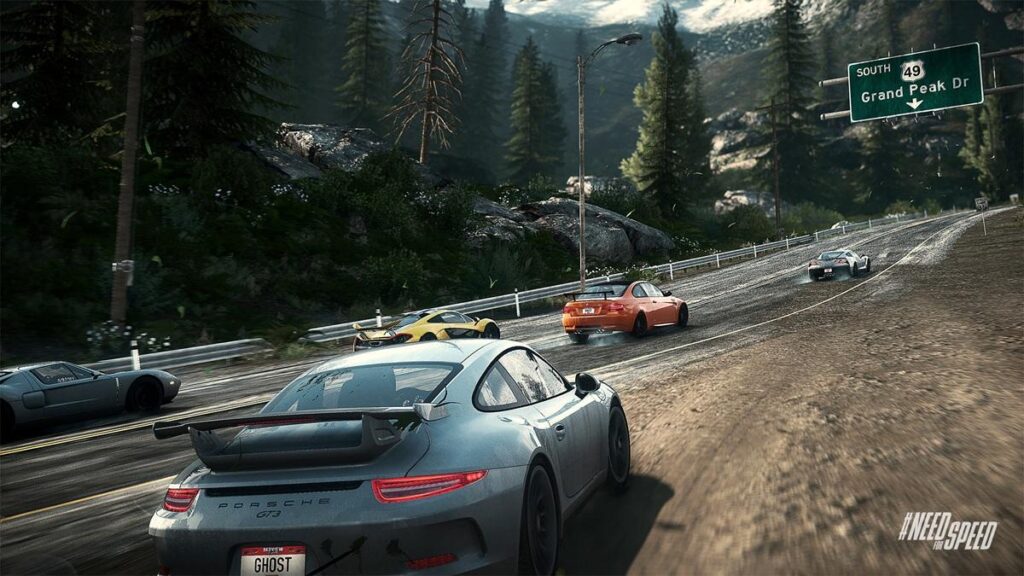
- Over the years, it experimented with story-driven campaigns, online play, and open-world exploration.
4. Storytelling & Style: Beyond Just Racing
Somewhere around the PS2 era, racing games found out they could do more than just, well, race. The team poured heart into stories: rivals, betrayals, full-on cutscenes, and even FMV actors chewing the scenery in Most Wanted and Carbon. Watching an in-game cop lay out a list of our “crimes,” we laughed, but we also cared more about the chase.
Car culture played a huge role in the making of Need for Speed. Underground’s DNA was borrowed straight from the streets: Import Nights meet-ups, movies like The Fast and the Furious, and underground forums where real-life tuners swapped secrets. If you’ve ever built a car in NFS and thought, “I want this for real,” you’re not alone.
Through the years, the franchise danced between arcade sizzle and simulation weight. Sometimes it went heavy on story, sometimes it was all about engine notes and split-second timing. But whether you loved police chases or drag strips, there was always something uniquely stylish about the NFS world.
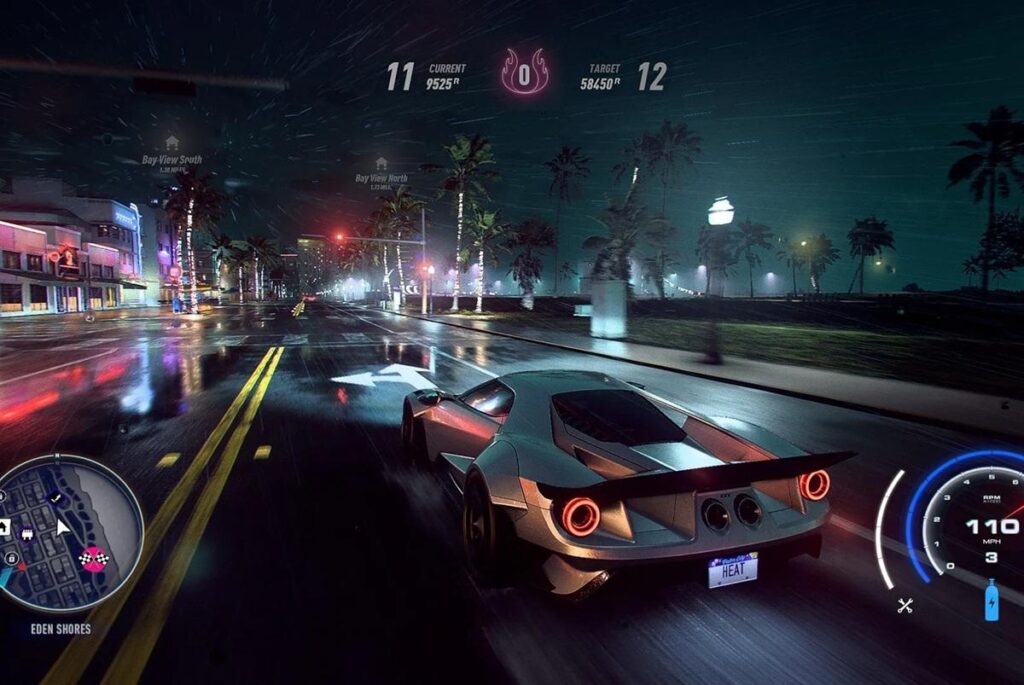
- The franchise has sold over 150 million copies, making it one of the best-selling video game series of all time.
5. Challenges and Risks: What Didn’t Go Smoothly
It hasn’t all been smooth drifting. Many times, the journey was messier than our first attempt at a Tokyo Drift corner. The Run tried to blend racing with quick-time action; ambitious, but not everyone wanted storytelling in their rubber-burning. Other entries, like Undercover, struggled with a rushed schedule and left some fans cold.
Then there were the development hurdles in the making of Need for Speed: team shakeups, canceled side projects, and the delicate dance of licensing (one time, an entire car lineup was pulled days before launch). Microtransactions and always-online requirements (looking at you, NFS 2015) brought heat from the community. Devs have owned up to features left on the cutting room floor; sometimes, whole cities, multiplayer modes, or even fan-favorite cars were dropped. It’s a miracle we even got the games we did!
Yet, out of all this, players kept coming back. The team listened, adapted, and sometimes even rebuilt entire features based on community outcry.
6. Evolution of the Franchise: Reinvention Over Time
Changing trends, shifting tastes; few franchises have done more to keep up. Need for Speed took bold turns every few years. Underground and its sequel invited us into tuning culture, Hot Pursuit gave us the thrill of cop versus racer, and Shift took us onto real-world tracks with helmet-cam intensity.
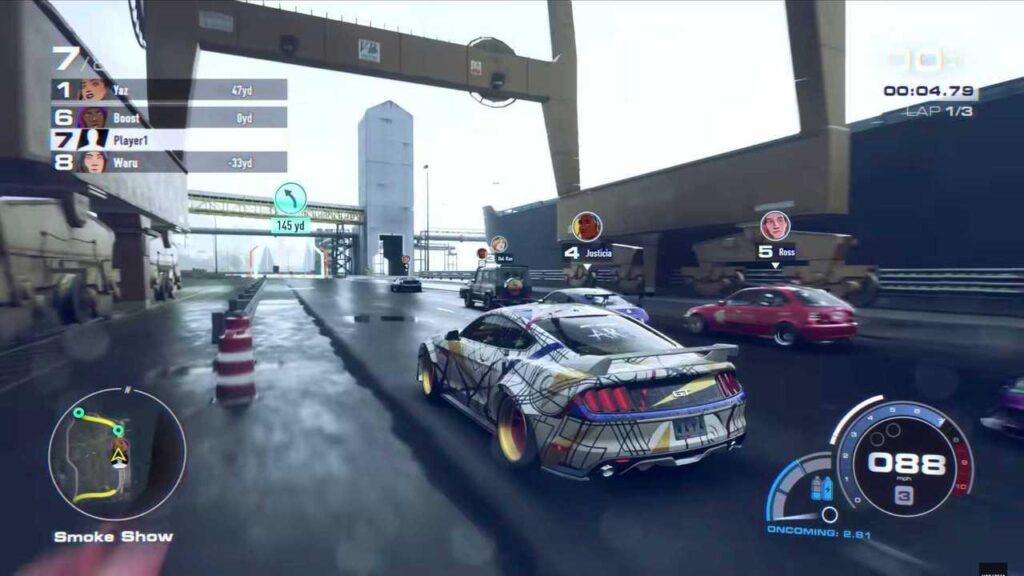
- Games like Hot Pursuit and Carbon are remembered for their thrilling police chases and unique gameplay mechanics.
What’s wild is just how much the series mirrors real car culture. We saw the rise of car meet-ups, the fall of the tuner scene, and the resurgence of supercars dominating the grid. Even the platforms changed; from chunky old consoles to eye-melting 4K, and eventually, full-on online play. For each generation, there’s an NFS that feels like “their” game. And we’ll admit, every time a new one drops, we’re back in that garage, customizing and plotting, like we never left.
7. Behind the Scenes: Developer Insights
In almost every interview about the making of Need for Speed, you’ll hear it: the NFS team was fueled by passion, pizza, and high-octane dreams. Beta tests often ran deep into the night, with devs swapping stories of impossible bugs or last-hit playtests. Soundtrack curation was especially wild; countless hours were spent mixing punk, hip-hop, and electro so each game would pulse with its own unique vibe.
Sometimes, fans spotted Easter eggs: hidden cars, license plates with secret jokes, or racetracks modeled after the lead designer’s childhood neighborhood. There’s a sense of camaraderie that seeps through: whether it was crunch time or those rare moments when a new feature “just worked,” the creative energy was almost palpable. And yes, they heard you: community feedback, love letters, and even a few passionate rants shaped future games.
8. Final Word: The Lasting Impact of Creating NFS
Looking through the rearview, it’s wild to see just how much creative grit, risk, and innovation the teams behind Need for Speed have brought us. Every game is a time capsule of car culture, of wild tech leaps, and of the relentless drive to make racing fun. It’s not just about graphics or speed, but about building a world where anyone, anywhere, could dream themselves behind the wheel. If you had a chance to leave your mark on NFS, what wild new mechanic or dream car would you add? In the making of Need for Speed, so many iconic features started as someone’s “what if?” Maybe it’s something we can only imagine, or maybe, one day, some dev reads this and makes it real. Until then, those digital streets remain wide open, waiting for whatever we dare to dream next.
9. FAQ: Secrets, Legends, and What It’s Really Like Making NFS
Q1: Who chooses the music tracks for each Need for Speed game?
A: Each soundtrack is selected by a small team of audio directors and sometimes features input directly from the development team. They hunt for songs that capture the vibe of the game and often partner with up-and-coming artists as well as legendary acts.
Q2: Why do some games in the series feel so different from one another?
A: Different creative leads and studios have taken the wheel over the years. Their individual visions, priorities, and sometimes experimental ambition led to uniquely diverse gameplay styles across the franchise.
Q3: Are real-world locations used as inspiration for the cities in NFS?
A: Absolutely! While most NFS cities are fictional, they often draw heavy inspiration from real places like Los Angeles, Tokyo, Miami, or European Rivieras. Developers tour cities, snap real photos, and then remix the vibe into something new.
Q4: How do the teams test cars for realism and fun?
A: Developers work with consultants (sometimes even real drivers) and use advanced simulation tools; occasionally, even racing real cars on tracks to nail the feel, though ultimately, fun always trumps strict realism in NFS.
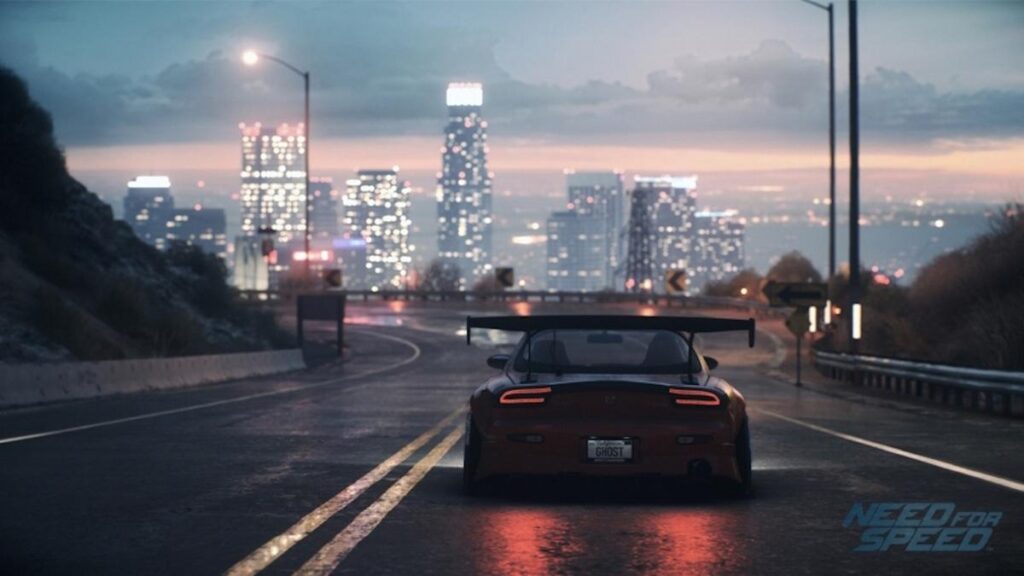
- With EA’s ongoing investment and fan feedback, the future of Need for Speed promises a blend of nostalgia and innovation.
Infographics:
The Making of Need for Speed
How a Racing Icon Was Born & Reinvented
—
Origins:
– Born in the ‘90s from a partnership with Road & Track magazine, NFS mixed realistic cars with wild, digital street races.
– Early games stood out with accurate vehicle models and heart-racing AI police chases.
—
Innovation:
– Each console era brought bigger cities, flashier visuals, and open worlds; Underground 2 let players live the tuner lifestyle.
– Real engines, authentic sound design, and deep customization became franchise staples.
—
Bumps in the Road:
– Licensing hiccups, feature cuts, and polarizing changes challenged devs.
– Community feedback often steered updates and sequels.
—
Built by Passion:
– Developers fueled by late nights, creative risks, and global car culture.
– Hidden Easter eggs and iconic soundtracks made each game unique.