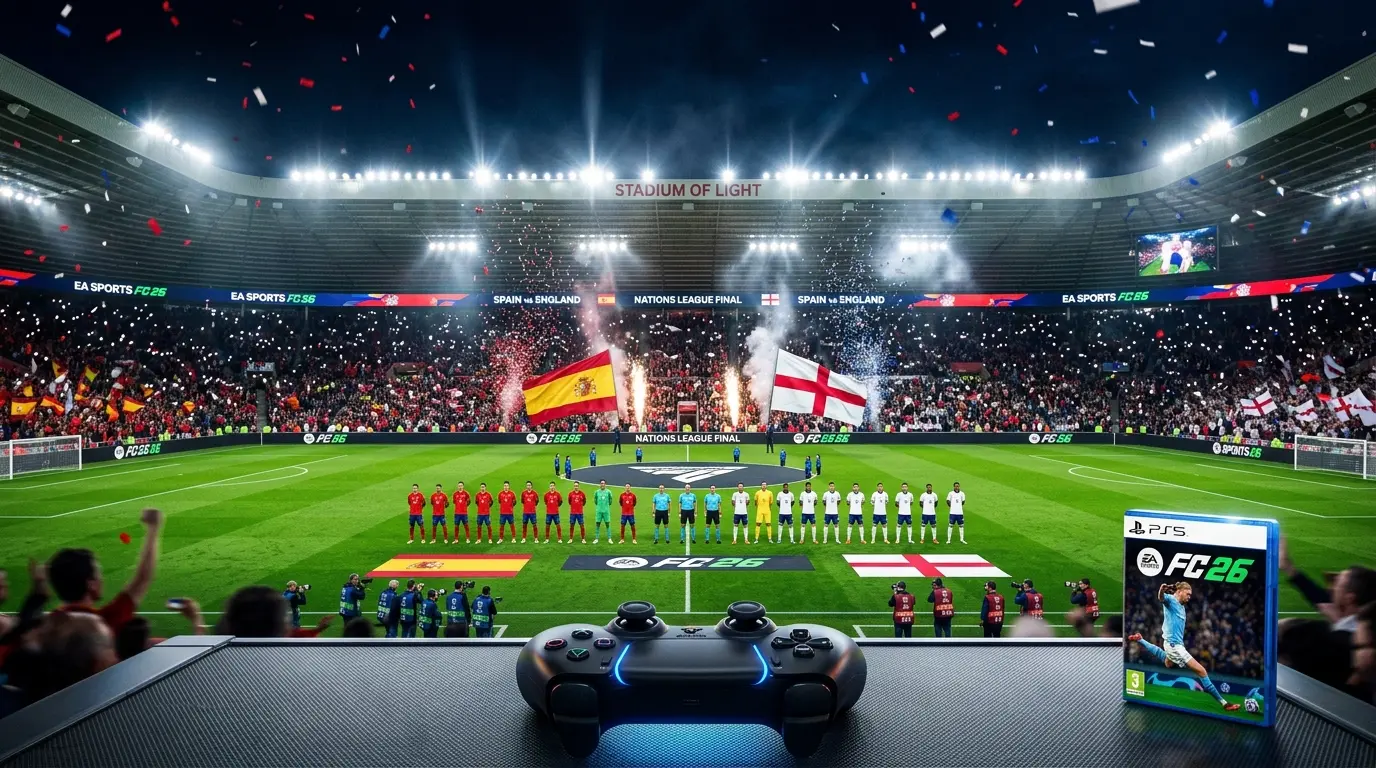

There is a ritual that kicks in every four years. The real World Cup final gets close, and gamers everywhere fire up the latest football game to play it out first. Sometimes the sim nails it. Sometimes it produces a 6 to 5 thriller that would break real television. Either way, it is a brilliant way to spend the days before the July 19 final at MetLife Stadium.
If you want your EA FC 26 simulation to feel like a real prediction and not just a kickabout, a little setup goes a long way. Here is how to do it properly.
Step one: build the real squads, not the default ones
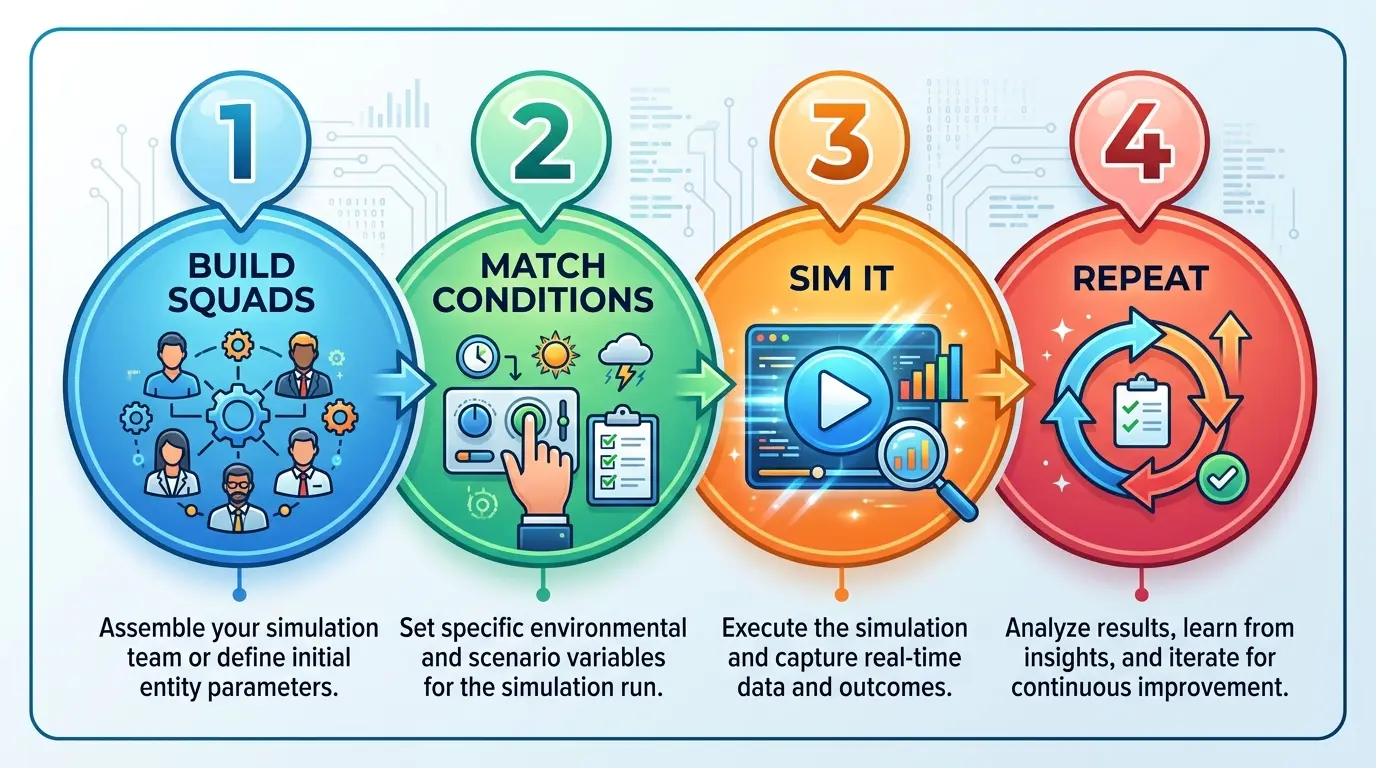
The single biggest thing that makes a sim feel real is accurate lineups. Default rosters drift over a season, so before you play, update both finalists to match who is actually starting. Check injuries, suspensions, and recent form, then set your starting eleven to reflect the real one. If a key player is doubtful in real life, bench them in the game too. This one habit turns a random match into something that tracks reality.
Step two: match the conditions
EA FC 26 lets you set the stage, so use it. Pick a neutral venue that feels like a final, set the atmosphere to maximum, and play at night if the real kickoff is in the evening. It sounds small, but the right conditions change how the AI plays. High-pressure atmospheres tend to produce tighter, more cautious matches, which is exactly what real finals look like.
Step three: pick the right simulation method
You have two honest ways to do this.
The first is to play the match yourself, but that adds your own skill into the result, which is fun but less of a true prediction. The second is to use the game’s own simulation and let the engine decide with no human hands on the controller. For a clean forecast, sim it. For a fun night, play it. Many people do both: they sim it three times to get a “prediction,” then play it once for the thrill.
Step four: run it more than once
One simulation is a coin flip. Three to five simulations start to show you a pattern. If one team wins four out of five sims, that is a genuinely interesting signal about who the game thinks is stronger. Keep a quick tally of the scorelines and scorers. You will often find the same player popping up as the match winner, which makes for a great “the game called it” moment if it comes true.
What the sims tend to get right, and what they miss
Football games have become very good at reflecting team strength, form, and style. They are less good at the chaos that decides real finals, the deflected goal, the red card in the sixty-third minute, the goalkeeper who has the game of his life. So treat your sim as a smart opinion, not a crystal ball. The fun is in seeing how close it gets, and in having a story ready either way.
Turn it into content or a bet with friends
This is where the sim becomes more than a solo session. Post your simulated scoreline before the real match and let your followers hold you to it. Or run a friendly pool where everyone plays the same fixture in EA FC 26 and compares results. When the real final kicks off, you are not just watching, you are checking your homework, and that makes every goal hit harder.
So before July 19, load up EA FC 26, build the real squads, and let the game take its guess. Whether it calls the winner or throws out something wild, you will have earned the best seat in the house for the real thing.
FAQ block (schema-ready):
- Q: Should I play or simulate the match for a prediction? A: Simulate it. Playing adds your own skill, while a pure simulation lets the engine decide, which is a cleaner forecast.
- Q: How many times should I run the simulation? A: Three to five times. One run is a coin flip, but several reveal which team the game genuinely favors.
- Q: Are football game simulations accurate? A: They reflect team strength and form well, but they cannot predict chaos like red cards or deflections, so treat them as a smart opinion.