
Remember the first time you saw your friends jumping into Fortnite or Genshin Impact and realized they never paid a cent to get started? We’ve watched the gaming scene transform as “free to play” (F2P) games exploded, changing late-night hangouts, friend group rituals, and even the business side of game studios. But as much as we love jumping headfirst into these new worlds, we know one big question always comes up: What is the Free to Play meaning in game? Let’s dig into the details.
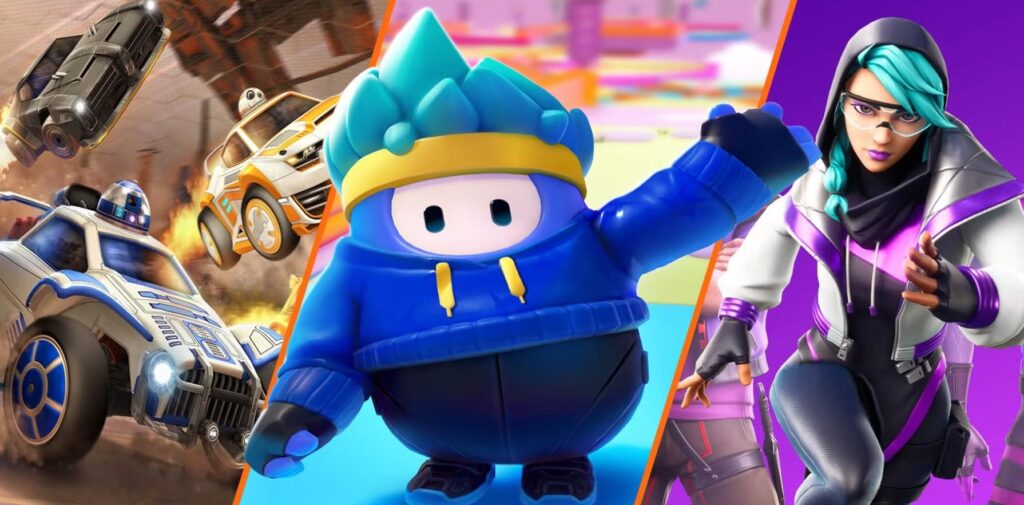
- Popular F2P games include Fortnite, Apex Legends, Fall Guys, and Mobile Legends.
Free to Play Meaning in Game
The phrase “free to play” sounds straightforward; no charge, just download and go. At its heart, that much is true: you’re able to access and play the core experience of the game without pulling out your wallet. But once you’re inside, each title sets its own rules. Sometimes whole adventures are open to you; other times, what’s free is just a taste, with special extras for paying customers. Over the years, we’ve seen the definition shift, tweak, and stretch in different directions, making it all the more important to really know the lay of the land before you start playing.
1. Introduction: The Rise of Free-to-Play Gaming
In just a decade, F2P games grew from browser oddities to global phenomena. We’ve spent entire evenings building squads in Apex Legends, or just chilling with Roblox’s endless game modes; no up-front payment required. The word “free” tempts almost everyone, and today it’s everywhere, powering some of the world’s most-played titles. But do we all think of “free to play” the same way? Not always.
2. Defining ‘Free to Play’: The Basics
At its simplest, Free to Play meaning in game is a video game where you pay nothing to install and begin. You don’t have to provide card details or buy an entry ticket. For many games, that means you can experience main modes, create a profile, and jump into matches right from the start. The catch? Some features may be gated behind payment, or there might be paid bonuses that tempt you to spend later.
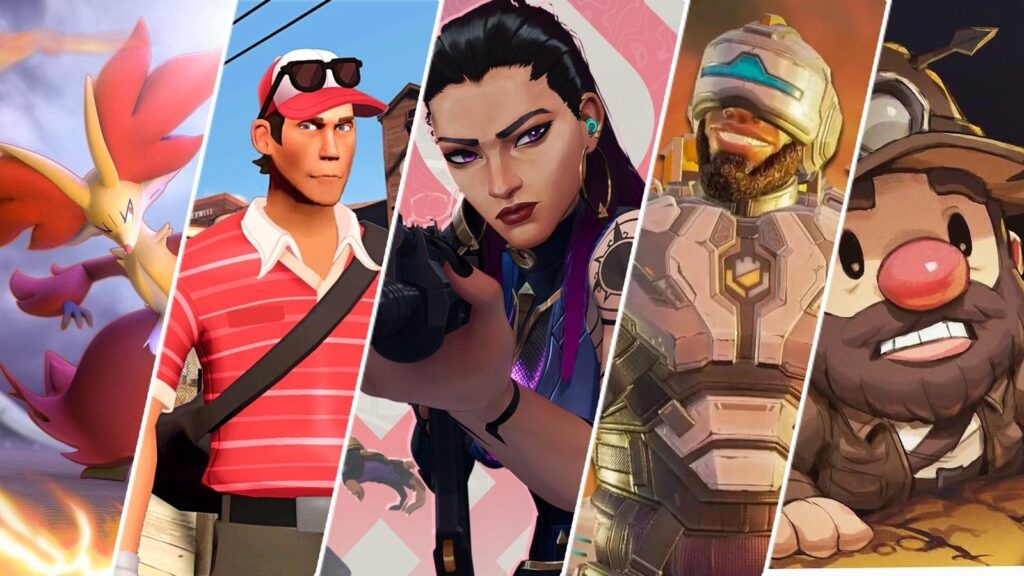
- Many also use ads, limited-time offers, and gacha mechanics to drive microtransactions and player spending.
3. How Do Free-to-Play Games Make Money?
It’s only natural to wonder: if millions can play for free, how do studios keep the lights on? Here’s where F2P gets creative:
- Cosmetic Microtransactions: Skins, costumes, new emotes; just for looks. Think Fortnite’s wild outfits or League of Legends’ endless wardrobe.
- Battle Passes/Season Passes: Limited-time reward tracks, like Fortnite or Apex Legends, blending free and paid prizes.
- Gacha & Loot Boxes: Random rewards for a price; beloved in games like Genshin Impact and Pokémon Unite.
- Ad-Supported Play: Short ads for power-ups or progress, common in mobile titles.
- Paid Expansions or Modes: Some games lock new chapters, exclusive quests, or modes behind a paywall; Warframe, for example, lets you buy slots for new frames (characters).
Nearly every F2P game cooks up a mix, with cosmetics as the most popular “optional spend.” The trick is balancing fun and fairness.
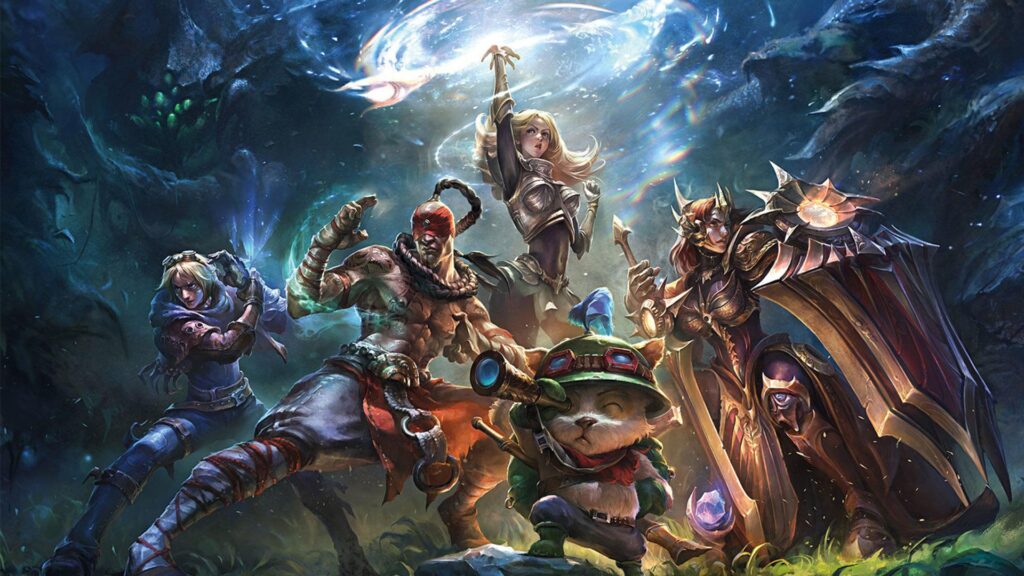
- Restrictions often include limited energy, locked content, or slower progression unless players make in-game purchases.
4. Common Features and Restrictions of F2P Games
A new player will usually find the most essential gameplay, main maps, starter characters, and the core loop accessible for free. This is the core of Free to Play meaning in game. Yet, as you play more, you might notice:
- Extra heroes, weapon skins, deeper story missions, or cosmetic flourishes may require cash.
- Some games limit energy, daily play, or loot drops for free users.
- Clear prompts (or, sometimes, not-so-clear) let you know when something’s paid.
We’ve all felt the urge to splurge now and then; sometimes it’s just for that one ridiculous dance.
5. The Pros and Cons of Free-to-Play
Free-to-play games welcome everyone, making it easy to rope your friends into spontaneous matches. Massive player bases mean fast matchmaking, wild community events, and non-stop updates. But temptations abound: maybe you’ll feel a little “FOMO” (fear of missing out) when limited skins drop, or you’ll get nudges to spend for an edge. Some games prioritize fun, while others push hard with in-your-face ads or tough progression unless you pay. Navigating the ups and downs is part of the adventure.
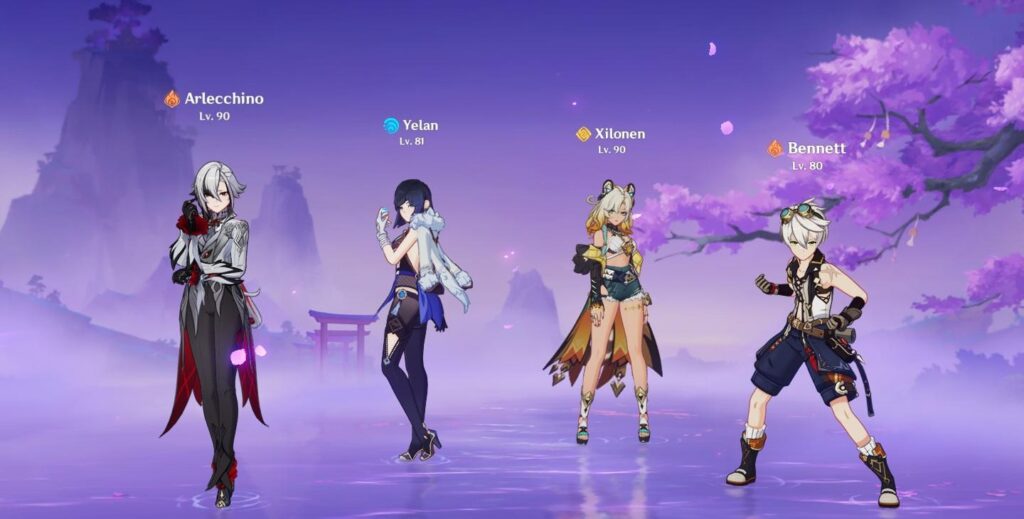
- Cons include pay-to-win mechanics, aggressive monetization, and potential for unbalanced gameplay.
6. Is Free-to-Play Always Fair? (The ‘Pay-to-Win’ Debate)
“Pay-to-win” (P2W) is the dark side of the F2P world. Free to Play meaning in game terms is simple: you can download and play without paying a cent, but not all F2P games play fair. A game is pay-to-win if spending money gives you an in-game power advantage: stronger weapons, faster leveling, or near-unbeatable items. Clash Royale and some early competitive shooters drew flak for these reasons. On the bright side, just as many studios, like those behind Apex Legends or Valorant, keep things square by only selling cosmetics, so your skill is the only thing at stake. Choosing the right game can make all the difference.
7. Free-to-Play Jargon Explained
Quick guide to F2P lingo:
- Microtransactions: Small in-game purchases.
- Energy/Stamina Systems: Limits on playtime, can be refilled for cash.
- Whales: Players who spend big.
- Gacha: Randomized draw mechanics, often for powerful items.
- Season/Battle Pass: Reward tracks over limited periods.
- FOMO: “Fear Of Missing Out”; the urge to buy before something disappears.
- P2W: “Pay to win.”
Learning the language helps you spot the “gotchas” before they get you.
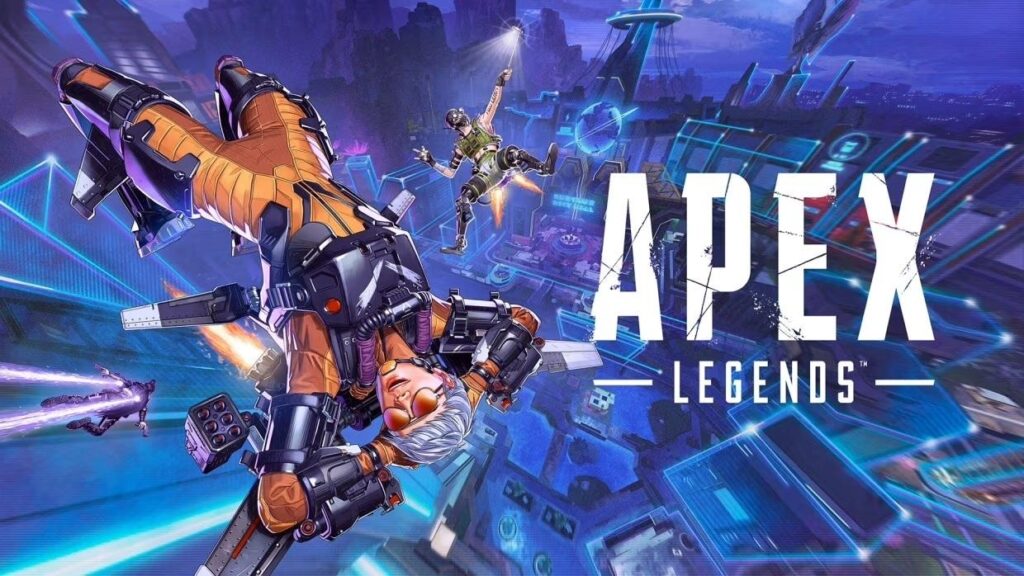
- Launched in 2019, it quickly gained massive popularity, surpassing 100 million players and becoming a staple in the competitive FPS scene.
8. Tips for Enjoying F2P Games Without Overspending
Our best advice: set your boundaries before you start. It’s easy to be swept up in flashy sales or pressure to buy.
- Review payment settings; disable one-tap buys on mobile.
- Stick to a monthly cap if you need cosmetics.
- Read reviews about paywalls or tough grind before you dive deep.
- Take full advantage of free events, login bonuses, and rewards.
Before you know it, you’ll be mastering the game while keeping your wallet happy.
9. Closing Things Up: The Future of Free-to-Play Gaming
Free-to-play gaming isn’t a passing trend; it’s become a huge part of how we connect, compete, and have fun, sometimes without spending a dime, sometimes rewarding the games we love with a few bucks. The important thing is knowing what you’re signing up for and feeling good about how you play. Understanding the Free to Play meaning in game helps you make smart choices about where to invest your time, and sometimes your money. Next time you hear “free to play,” you’ll have every tool you need to decide if the adventure is right for you. Have a story to share about your F2P experiences, wild wins, or wallet-saving moments? Drop us a comment; we’re always curious what you’ve discovered!
10. FAQs: Everything You Need to Know About Free to Play
1. Does “free to play” ever mean there are no payments at all, ever?
Rarely. Most F2P games include optional purchases, even if the entire story or core competitive modes are free.
2. How do I spot if a game is secretly pay-to-win?
Watch for power boosts, faster leveling, or exclusive weapons only accessible through cash. Player reviews and forums are often honest about these.
3. Can kids safely play F2P games without accidental spending?
It’s possible! Parental controls, in-game purchase locks, and investing a bit of time to learn settings can go a long way.
4. What happens to my purchases if an F2P game shuts down?
Sadly, many in-game purchases become inaccessible if servers close, as most F2P content is tied to the server lifecycle.
Infographics:
How Do Studios Earn?
- Skins & Outfits: Custom looks for your character
- Battle Passes: Seasonal content and unlockable rewards
- Loot Boxes/Gacha: Randomized items for a price
- Ad-Supported: Watch ads for bonuses
- Premium Expansions: New levels or characters
Fairness vs. Pay-to-Win
Most F2P games stick to paid extras that don’t affect gameplay, but a few cross the line into “pay-to-win,” selling real power. Always check community reviews to know which kind you’re joining.
Tips for Players
- Set spending limits
- Use parental controls for kids
- Take advantage of free events and daily rewards
- Read the fine print before diving deep