
Long gone are the days when buying a new game meant everything you’d ever see came right there in the box. Now, just as we get comfortable with our favorite characters and stories, there’s a pop-up promising new levels, shiny outfits, or a ticket to the next big online event. Suddenly, “game over” just means, “there’s more to download.” Whether we’re enthusiastic collectors or nervous first-time buyers, knowing how DLC and microtransactions work is a huge part of enjoying and surviving modern gaming.
- Microtransactions let players buy in-game items, currency, or cosmetics with real money.
How DLC and Microtransactions Work in Modern Gaming
The first time someone in our gaming group tried to explain DLC to a parent, there was a lot of hand-waving and talk about “extra missions” and “alternate costumes.” Now, we hear those three little letters, DLC, and instantly imagine bonus worlds, fresh maps, or entire new story arcs. And then there are microtransactions, those quick taps that swap real-world cash for virtual goodies. But how exactly do they work? Let’s break it down, step by step.
1. Introduction: The Evolution of Buying Games
Looking back, snapping a new cartridge into a console felt final; you owned it all, glitches and secrets included. Fast forward to digital stores, season passes, and weekly updates, and suddenly, games feel more like evolving playgrounds. This article explores what “DLC and microtransactions” actually mean, how they’re changing our adventures, and what we should watch for as the industry keeps evolving.
2. What Is DLC?
DLC stands for Downloadable Content: those extras released after a game’s initial launch. Publishers love to keep players hooked with new single-player campaigns, map packs, or even entirely new characters. Sometimes, DLC arrives free, like Celeste’s “Farewell” chapter, but often it’s a paid upgrade, like The Witcher 3: Blood and Wine. Most DLC drops straight into your game library after a quick download; no extra disc needed. It’s a bit like getting a new expansion pack for your favorite board game, only digital, instant, and sometimes even unexpected.

- They’re commonly used in free-to-play and premium games to generate ongoing revenue.
3. What Are Microtransactions?
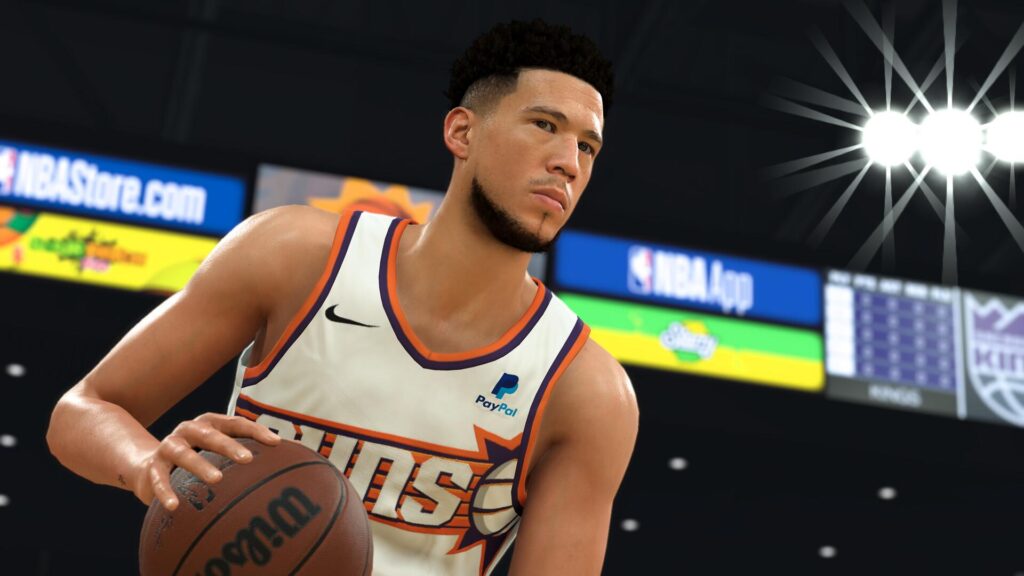
Microtransactions look a bit different; they’re small, in-game purchases you can make anytime. We might see them in free-to-play games (Fortnite), where buying a battle pass unlocks weekly challenges and spectacular skins. Or, in paid games like NBA 2K24, players can pick up new outfits or boost their stats. Generally, microtransactions cover things like costumes, loot boxes, or in-game currency. It’s become a familiar part of both mobile and console games, sneaking into everything from casual puzzlers to sprawling online shooters.
- Microtransactions range from cosmetic items and loot boxes to pay-to-win upgrades and battle passes.
4. Different Types of DLC and Microtransactions
The landscape of DLC and Microtransactions is a weird and wonderful mix. Some games roll out story-driven DLC; for instance, The Legend of Zelda: Breath of the Wild’s “The Champions’ Ballad”. Others drop cosmetic packs or season passes, bundling a year’s worth of extra levels or skins, like Destiny 2’s annual expansions.
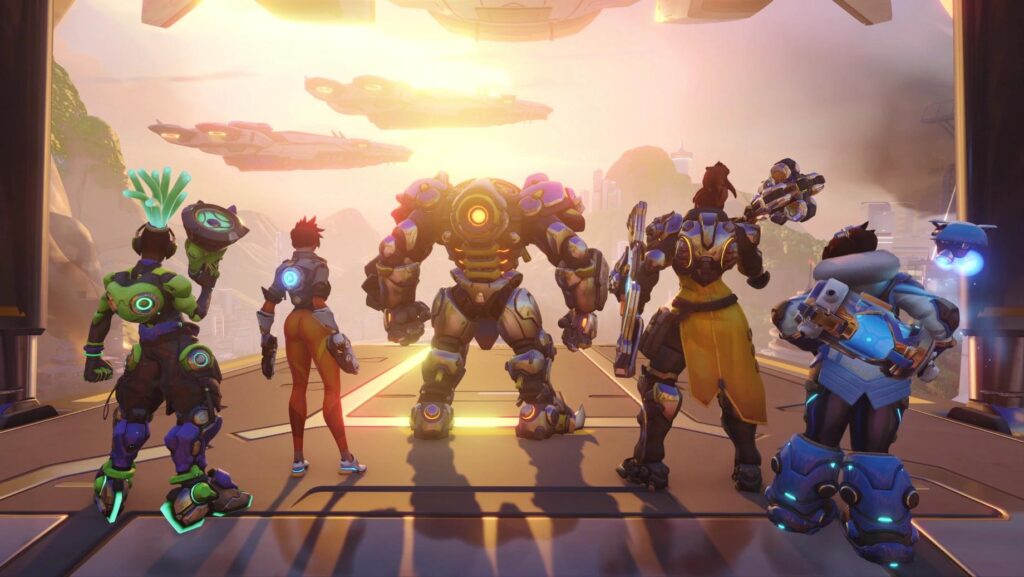
On the microtransaction front, many titles offer strictly visual updates; think Overwatch 2’s legendary skins, while others, like FIFA Ultimate Team, veer into “pay-to-win” territory, prompting fierce debate.
In some games, hybrid models appear: Call of Duty: Warzone sells battle passes combining cosmetic unlocks and progression perks. In-game currencies add another twist, letting us pre-pay for coins or gems to be spent as we wish.
- Microtransactions can be one-time purchases or part of recurring models like subscriptions or season passes.
5. How Do They Work? The Player Experience
Let’s say you’re browsing the PlayStation Store, Steam, or Nintendo eShop. You might notice a new DLC pack listed right beneath your usual game, or perhaps you get an in-game alert. A few button presses or taps let you buy, download, and install these extras instantly.
For microtransactions, everything happens in-game, usually through a virtual shop or pop-up. Credit cards, digital wallets, or gift cards make payment smooth, but you’ve got to stay sharp; those quick buys can sneak up fast! Many platforms (including Xbox and PlayStation) now offer parental controls and “child accounts” to manage or limit in-game spending.
- The game avoids aggressive microtransactions, focusing instead on substantial single-player content updates.
6. The Impact on Game Design and Business
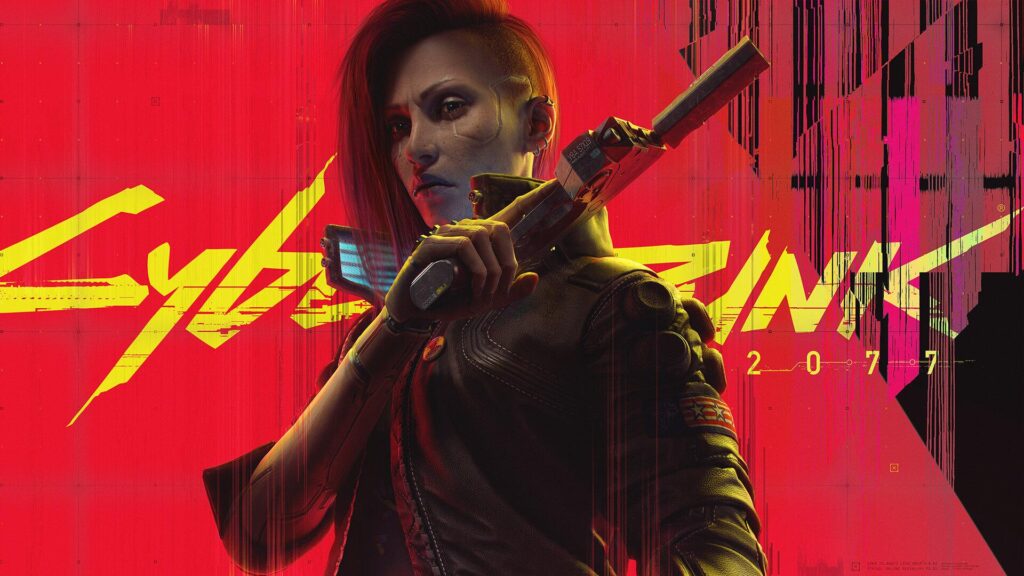
The influence of DLC and microtransactions on modern gaming is massive. Studios like Epic Games use battle passes to fund ongoing free updates for Fortnite, while others plan entire story arcs as future DLC, like Cyberpunk 2077: Phantom Liberty.
On the bright side, these purchases can keep communities lively and pay for free game updates, but there’s a flip side: sometimes, content gets held back for paid DLC, or pricey microtransactions change the balance, making games feel more like pay-to-win. It’s a complex dance of player demand, developer needs, and business evolution.
- The controversy sparked industry-wide criticism, forcing EA to overhaul its microtransaction system post-launch.
7. Controversies and Criticisms
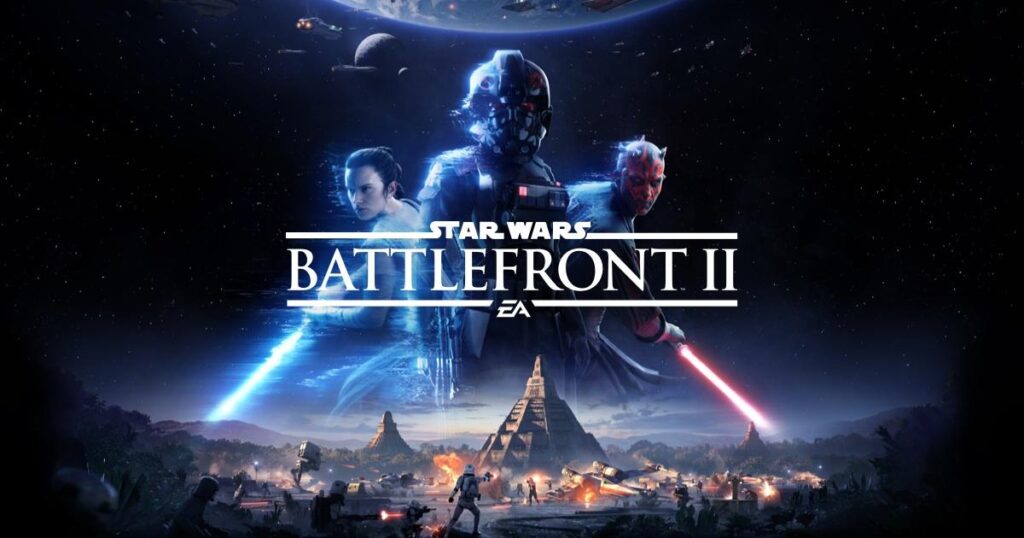
Controversy is never far behind when real money enters virtual worlds. The loot box system in Star Wars Battlefront II was so infamous that it led to changes in laws in some countries. FIFA Ultimate Team faces regular criticism for its “pack” mechanics, blurring the line between progression and gambling. Meanwhile, aggressive monetization, even in full-priced games, often sparks community backlash.
Across different countries, these debates continue, driving new rules about transparency and fairness, especially for young players.
8. Tips for Players: How to Navigate DLC and Microtransactions
It’s easy to get swept up in hype or pressured by friends to buy the “latest skin.” Our go-to tips for DLC and Microtransactions? Always check reviews, community opinions, and bundle deals before buying. Be wary of games locking enjoyment behind constant spending; sometimes, a cosmetic-only approach feels more fair.
For parents, most systems allow you to set password protection or block in-game purchases in kids’ games. Watch for in-game currency conversions; it’s easy to lose track of real-world value. And whatever you buy, make sure it’s for fun, not to “keep up.”
9. Summing Up: The Changing World of Gaming Purchases
We’ve watched gaming shift from a single purchase to a rolling, ever-evolving ecosystem. DLC and microtransactions fuel creativity, help studios experiment, and keep games feeling fresh far past launch day. Still, they ask us to be more thoughtful buyers than ever before. Let’s learn, set limits, and make sure our digital fun always adds up for us, not just the companies. We’re curious: what’s your take on DLC and microtransactions? Which games get it just right, and which leave you wishing for the good old days? Share your stories below, because this is one gaming conversation we’ll keep playing for years to come!
10. FAQs About DLC and Microtransactions
1. Is all future game content sold as DLC?
No. Many games deliver free updates and balance tweaks alongside paid DLC; check each game’s roadmap to know what’s included.
2. Can I play online multiplayer if I skip certain DLC?
In some games, yes, but in others, you might need the same DLC as your friends to access new maps or story missions.
3. Are microtransactions refundable if I make a mistake?
Usually not, but it depends on the platform and region. Refunds are much more strictly controlled compared to full-game purchases.
4. Do microtransactions give players an advantage?
It depends. Some games are strictly cosmetic, while others offer gameplay perks; in which case, check player reviews and publisher info before you dive in.
Infographics:
Microtransactions Explained
In-game purchases using real money to unlock:
- Skins & cosmetics (Fortnite, Overwatch 2)
- Perks, boosts, or instant unlocks (NBA 2K24, FIFA Ultimate Team)
- Battle passes & loot boxes for new content
How Do They Work?
- DLC: Downloaded via stores (Steam, PlayStation, Xbox, Nintendo eShop)
- Microtransactions: Purchased directly in-game with digital wallets, cards, or gift codes
- Parental controls help manage or block in-game buying