

Somewhere between a stealth octopus, a lunar space dad, a Ditto trying to rebuild civilization, and a cosmic roguelike where dying is basically a career development plan, video games remembered something important in 2026:
Being normal is boring.
For a while there, big games felt like they were all applying for the same corporate job. Open world. Crafting. Skill tree. Three currencies. A map full of icons. A sad man with a beard who can parry grief. Nothing wrong with that, of course. I too enjoy opening a chest and finding trousers with 0.7 percent better emotional resistance. But after years of games trying to be everything to everyone, 2026 has arrived wearing mismatched socks, holding a strange little lunchbox, and asking if you want to play as an octopus in a factory.
Yes. Yes, I do.
Saros – Launch Trailer | PS5 Games
The best new games of 2026 are not just big. They are specific. Annoyingly specific. Wonderfully specific. The kind of specific that makes you explain a game to a friend and halfway through the sentence realize you sound like you ate a press release and a dream journal.
Take Darwin’s Paradox, one of April 2026’s major releases. It is a tactical puzzle-platforming adventure where you play as Darwin, a stranded octopus sneaking through an industrial complex on PC, PS5, Xbox Series X|S, and Switch 2. That is already a better elevator pitch than half the movies currently trapped inside streaming menus. “You are an octopus. Good luck.” Lovely. No notes.
And it is not alone. April 2026 alone has been a small parade of strange little goblins in expensive shoes. VGC’s release calendar includes Pragmata, Mouse: P.I. for Hire, Tomodachi Life: Living the Dream, Hades 2 on consoles, Replaced, Saros, and Invincible VS, which sounds less like a monthly release schedule and more like someone spilled six different E3 showcases into a cereal bowl.
This is good. This is healthy. This is the medium stretching its legs after sitting too long in a meeting called “Engagement Strategy Q4.”
The New Trend: Games With An Actual Pulse
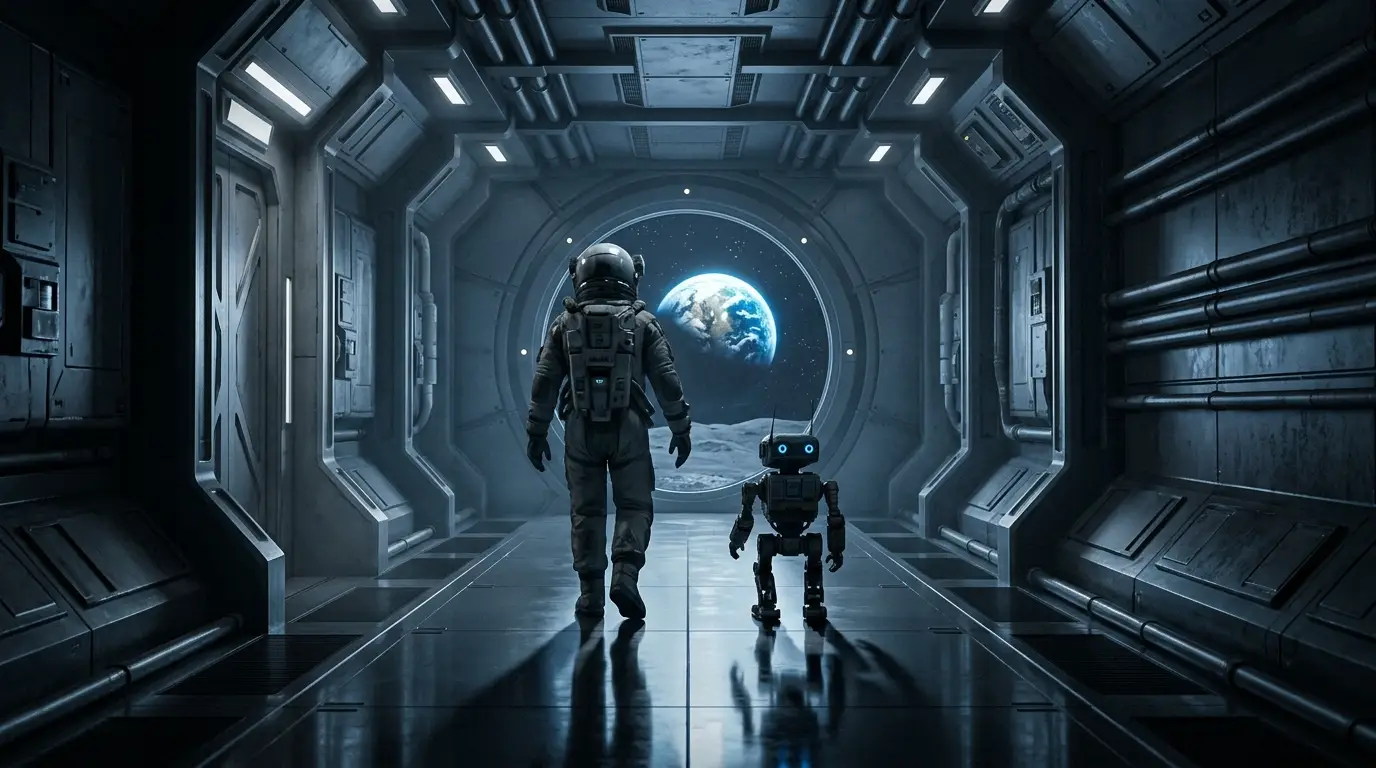
The easy headline is that 2026 is packed. It is. But the more interesting thing is that so many of these games have a pulse. A weird pulse, maybe. One that might require a doctor. But a pulse.
Pragmata, Capcom’s sci-fi action-adventure, is probably the cleanest example. Capcom describes it as a near-future story about Hugh and his android companion Diana working together through a cold lunar research station, with a hacking twist layered into the action. It is available on PS5, Xbox Series X|S, Steam, Nintendo Switch 2, and GeForce NOW.
On paper, that is “sci-fi action game.” Fine. Cool. Put it next to the other sci-fi action games. Give it a protein bar.
But what makes Pragmata sticky is not the moon, the robots, or the shiny future hallway budget. It is the relationship at the center. The appeal is not just “shoot the thing.” It is “protect the weird little person who might teach you how to be less emotionally constipated while robots try to turn your organs into office furniture.”
That is the part that trends. Not just mechanics. Not just graphics. A feeling.
The internet can meme a mechanic, sure. It can gif a boss fight. It can make a 38-minute lore video out of a chair. But the games people keep talking about are usually the ones that give them a human hook. A companion. A regret. A tiny creature. A child robot. A cat. A pig. An octopus. Apparently 2026 is the year games discovered the emotional support animal and then gave it level design.
Saros, Or: Dying Repeatedly But In A Prestige Way
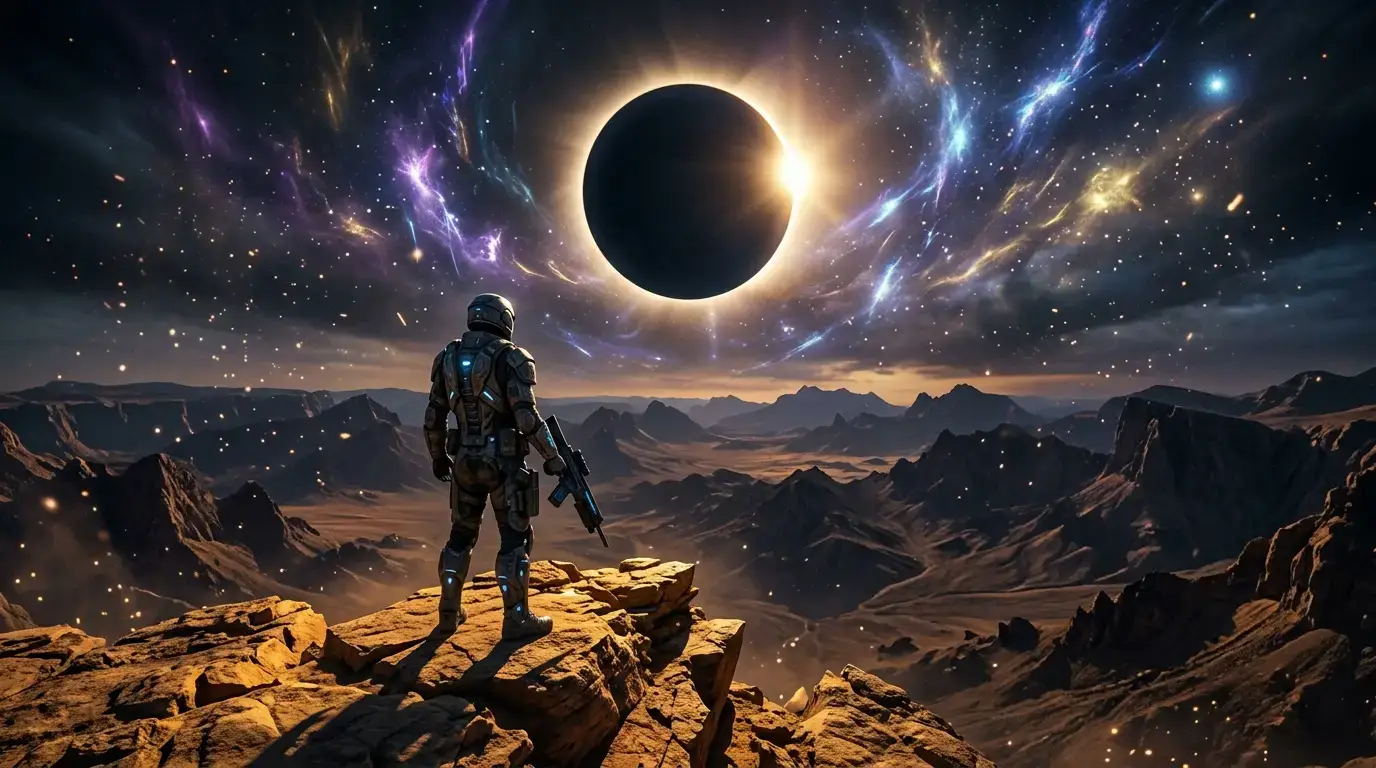
Then there is Saros, Housemarque’s new PS5 action roguelike, which launches April 30, 2026 according to release calendars and is already sitting high on Metacritic’s current-year list with an 88 Metascore. Metacritic lists it near the top of 2026 alongside Pokémon Pokopia, Resident Evil Requiem, and Mewgenics.
Housemarque has always understood something primal about games: sometimes the story is “what if the screen attacked you with beautiful geometry?” Saros seems to continue that grand tradition of making you dodge glowing murder confetti while pretending you are above screaming at the television.
Metacritic’s listing describes Saros as set on the planet Carcosa, under the threat of an ominous eclipse, with Arjun Devraj searching for answers on a lost colony. It also features permanent progression where death reshapes the world and gives you new upgrades.
That is very game-design-document language for “you will die, but the game will pat your head and hand you a slightly better tool.”
There is something comforting about that. Not in a cozy way. Saros does not look like it wants to give you tea. It looks like it wants to staple a solar eclipse to your forehead. But the loop feels honest. You fail. The world changes. You return. You are not fine, but you are better equipped, which is basically adulthood with a nicer HUD.
Cozy Games Are Also Getting Strange
On the opposite end of the emotional violence spectrum is Pokémon Pokopia, which Metacritic currently lists as one of 2026’s highest-scored games. The premise is absurdly charming: you play as a Ditto helping rebuild a withered world into a Pokémon utopia, using transformation skills and crafting abilities.
That sounds adorable until you sit with it for two seconds.
Humans are gone. A lone Tangrowth remains. Ditto wakes up after a long slumber and starts restoring the land. This is not just Animal Crossing with Pikachu wallpaper. This is post-human ecological therapy starring a sentient blob. It is cozy, yes, but it is also quietly apocalyptic in the way only Nintendo-adjacent joy can be.
And that is why it works. Cozy games have been huge for years, but the best ones are not just blankets and soup. They have melancholy under the floorboards. Stardew Valley is cute until you remember everyone is lonely. Animal Crossing is relaxing until you realize you are arranging furniture at 2:13 AM because reality got too loud. Pokémon Pokopia seems to understand that comfort hits harder when there is something broken to fix.
Also, playing as Ditto is funny. Ditto has the face of someone who just opened a tax letter but refuses to ruin the vibe.
Horror Is Back To Having Feelings, Unfortunately
Resident Evil Requiem is also sitting near the top of Metacritic’s 2026 list, with the site describing it as a new era for Capcom’s survival horror series, following FBI analyst Grace Ashcroft and Leon S. Kennedy through intertwining journeys.
Resident Evil has always been at its best when it is ridiculous and sincere at the same time. A man suplexes a cultist. A woman confronts generational trauma. A villain wears sunglasses indoors. Someone says “bio-organic weapon” like it is a normal phrase adults use.
That combination is still gold. Horror games that only want to scare you can be fun. Horror games that scare you and then make you care are dangerous. They crawl into your brain and start rearranging the furniture.
The trend here is not “2026 games are weird” in a cheap novelty sense. It is that many of the year’s most interesting games are using weirdness to smuggle in emotion. The monster is strange because grief is strange. The moon station is cold because relationships can be cold. The octopus is funny because helplessness is easier to face when it has eight arms and excellent squish physics.
The Backlog Is No Longer A Pile, It Is A Personality Test
Here is the real problem: 2026 is making the backlog personal.
In older years, deciding what to play next was a practical question. Do I want shooting? Driving? Swords? A 90-hour RPG where every villager has the posture of someone hiding a side quest?
Now it feels like choosing a mood disorder.
Do I want to be a lonely space survivor under an eclipse? Saros.
Do I want to protect an android child on the moon while Capcom emotionally blackmails me with robot eyes? Pragmata.
Do I want to restore a ruined world as a smiling purple blob? Pokémon Pokopia.
Do I want to sneak through a factory as seafood Solid Snake? Darwin’s Paradox.
Do I want cats, mutations, and legacy roguelike chaos? Mewgenics, which Metacritic lists among the top games of 2026 so far.
This is not a release calendar. It is a therapist’s intake form with boss fights.
And honestly, that is better than the alternative. I would rather have a year full of games that feel messy, specific, and slightly unwell than another conveyor belt of perfectly polished products that evaporate from memory three minutes after the credits.
Why This Stuff Trends
The reason these games can trend is not just because they are new. New is easy. Every week something new arrives, screams “Wishlist now,” and then disappears into Steam like a sock in a washing machine.
The games that travel online usually have one of three things:
First, a clean hook. “You play as an octopus escaping a factory” is instantly understandable. So is “Capcom moon adventure with a child android.” So is “Ditto rebuilds the world.”
Second, emotional contrast. Cute but sad. Funny but stressful. Beautiful but hostile. The internet loves contrast because contrast gives people something to argue about without needing a spreadsheet.
Third, visual identity. Saros has cosmic dread. Pragmata has sterile lunar sci-fi. Darwin’s Paradox has animated creature chaos. Pokémon Pokopia has cozy restoration energy. You can picture these games after hearing one sentence. That matters.
In the age of algorithm soup, a game needs to become a sentence people want to repeat. Not just “it has good combat,” but “it made me care about a blob rebuilding civilization.” That is the juice.
Let Games Be Little Freaks Again
The best new games of 2026 are a reminder that video games do not need to sand off every strange edge to matter. In fact, the edges are often the point. Pragmata, Saros, Darwin’s Paradox, Pokémon Pokopia, Resident Evil Requiem, and the rest of this year’s oddball lineup prove that players still want risk, personality, humor, sadness, and premises that sound completely deranged when explained to relatives.
Let the octopus sneak. Let Ditto heal the planet. Let the moon dad learn emotional availability. Let the cosmic roguelike kill us in a prettier way than our inbox already does.
If 2026 keeps going like this, the future of games looks weird, heartfelt, and deeply inconvenient for anyone trying to finish their backlog. Perfect.
FAQ
What are the best new games of 2026 so far?
Based on current critical lists and release coverage, some of the biggest and most talked-about 2026 games include Pokémon Pokopia, Resident Evil Requiem, Mewgenics, Saros, Pragmata, Darwin’s Paradox, and Replaced. Metacritic currently lists Pokémon Pokopia, Resident Evil Requiem, Mewgenics, and Saros among the highest-scored games of 2026.
What is the biggest gaming trend in 2026?
The biggest trend is the return of strange, high-concept games with emotional hooks. Instead of only chasing realism or massive open worlds, many 2026 games are leaning into unusual premises, strong visual identity, and character-driven storytelling.
Is Pragmata out now?
Yes. Capcom’s official site lists Pragmata as available now on PS5, Xbox Series X|S, Steam, Nintendo Switch 2, and GeForce NOW. Capcom describes it as a science-fiction action-adventure with a unique hacking twist.
What platforms is Darwin’s Paradox on?
GameSpot lists Darwin’s Paradox for PC, PS5, Xbox Series X|S, and Switch 2, with an April 2, 2026 release date.
What is Saros?
Saros is Housemarque’s 2026 PS5 action roguelike set on the planet Carcosa under an ominous eclipse. It features permanent progression, world changes after death, and a performance by Rahul Kohli as Arjun Devraj.