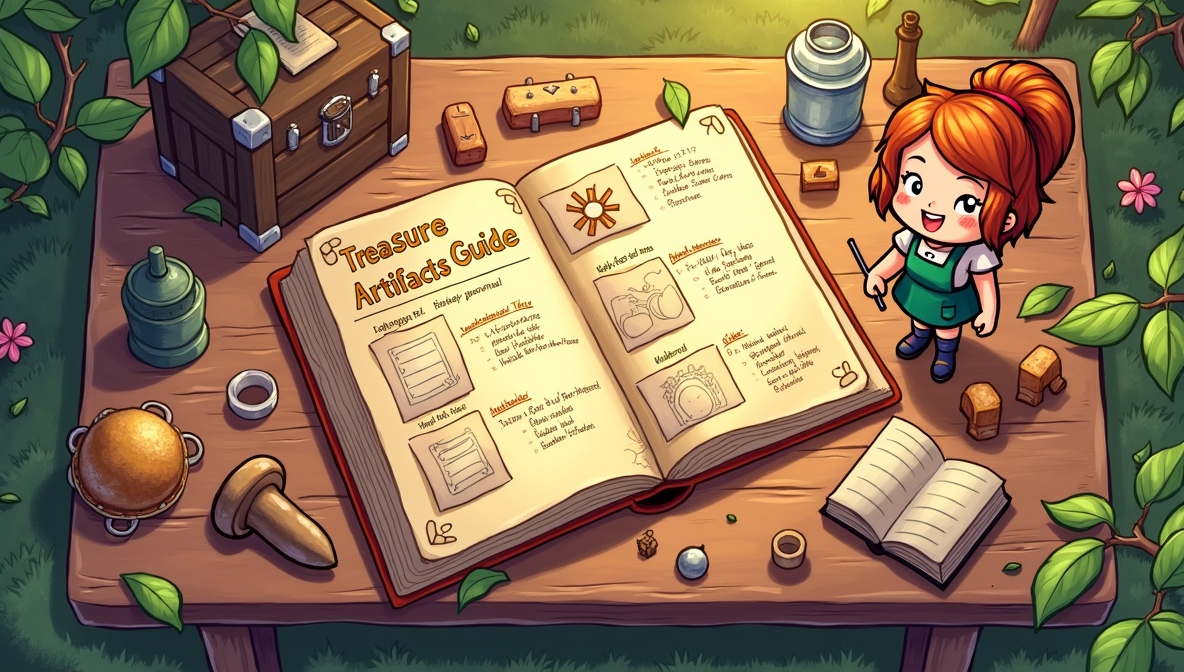

Settle in, friend; let’s wander the fields, turn over mysterious stones, and nerd out together over one of Stardew’s most delightful long-haul goals: collecting every last artifact. Artifacts aren’t just for completionists or number-chasers; these quirky treasures add flavor, community stories, and a dash of real challenge to the tranquil world we love. Whether you’re puzzling over an elusive Dinosaur Egg or just love the idea of piecing together the valley’s hidden history, this Stardew Valley Artifacts Guide is written for you. I’ll share what I’ve learned through my own stumbles, near-misses, and totally-what-are-the-odds discoveries, and sprinkle in the encouragement I wish I’d heard sooner.
- You can grow crops, raise animals, and build the farm of your dreams.
Stardew Valley Artifacts Guide
If you’ve ever dug up a strange relic or found something odd in the mines, you’ve already brushed up against the world of artifacts. These little treasures are more than just collectibles; they can unlock key tools, lore, and even powerful seeds that change your entire farm strategy.
1. Introduction: Why Artifacts Matter in Stardew Valley
I’ll never forget that first time I dug up a Rusty Spur behind the barn. It felt like the valley was holding its breath, waiting to see what I’d do next. In Stardew Valley, artifacts are like winks from the past; little reminders that this quiet place actually has layers of mystery and history beneath the crops. Donating them to the museum isn’t just a “side quest” for perfectionists; it unlocks cool rewards, brings town lore to life, and (I swear) makes Pelican Town a little friendlier with each find. Ever wondered, “Are these worth holding onto, or just clutter?” If you’ve ever overheard villagers talking about the valley’s weird fossils or strange relics, you know the game’s not just poking fun; artifacts are the secrets of Stardew.
2. What Counts as an Artifact?
Not every shiny or sparkly item is considered an artifact; so, what’s the secret logic? As any good Stardew Valley artifacts guide will explain, artifacts are items from the far, sometimes prehistoric, past of Stardew Valley. Think old bones, ancient dolls, lost scrolls, or mysterious relics yanked up by your hoe or snatched from fishing chests. Don’t confuse these with minerals like Amethyst or Topaz, which belong to their own fancy museum wing.
A lot of players ask, “Is the Dinosaur Egg an artifact?”; and, yes, it is! But not every donation you make is an artifact. For example, minerals, gems, and some special items don’t quite make the artifact cut, even though Gunther loves them all. Artifacts can often be gifted (occasionally triggering hilarious villager reactions), and a precious few can even be used for crafting or other odd jobs. For the most part, though, think of them as the valley’s lost-and-found…with a thousand-year history.
3. All Stardew Valley Artifacts: Complete List and Descriptions
- Mining in the caves lets you collect ores, fight monsters, and uncover treasures.
Here’s the hallmark of any completionist: knowing what you’re hunting! As of the latest update, there are 42 artifacts waiting for your shovel, luck, and (let’s be honest) stubbornness. Here’s how I like to group and remember them, something any helpful Stardew Valley artifacts guide should make simple, too:
A. Prehistoric Fossils & Bones
1. Dinosaur Egg: The rarest artifact, which can hatch into a baby dinosaur if incubated.
2. Prehistoric Scapula: A shoulder bone with ancient markings.
3. Prehistoric Skull: Fossilized skull from a long-gone creature.
4. Prehistoric Tibia: Leg bone from the distant past.
5. Prehistoric Rib; Part of a giant rib cage.
6. Prehistoric Handaxe: A Stone tool from prehistoric times.
7. Prehistoric Tool: Another ancient crafted tool.
8. Prehistoric Vertebra; Backbone fossil.
9. Nautilus Fossil: Ancient sea creature shell fossil.
10. Amphibian Fossil: Remnant of an ancient amphibian.
11. Trilobite: Fossil of an extinct marine arthropod.
12. Palm Fossil; Fossilized palm leaf imprint.
13. Skeletal Hand; Fossilized hand bone.
B. Tools & Ancient Relics
1. Rusty Cog: A corroded mechanical part from an unknown device.
2. Rusty Spoon: A spoon left behind by past settlers.
3. Rusty Spur: An old horse riding spur, rusty but intact.
4. Rusty Sword: Ancient sword, worn and rusted.
5. Ancient Doll: Slightly eerie, possibly a toy from a long time ago.
6. Ancient Drum: Mysterious drum from a lost civilization.
7. Ancient Seed: Seed packet from ancient times, can be planted to grow Ancient Fruit.
8. Dwarf Gadget: A Strange device created by dwarves.
C. Cultural Curiosities & Scrolls
1. Dwarf Scroll I; First in a series of dwarvish language scrolls.
2. Dwarf Scroll II
3. Dwarf Scroll III
4. Dwarf Scroll IV: The final scroll in the series.
5. Golden Mask: A decorative golden mask.
6. Golden Relic: A shiny golden artifact.
7. Ornamental Fan; Fancy fan from an ancient culture.
8. Arrowhead: Sharpened point of a prehistoric arrow.
9. Bone Flute: A Musical instrument carved from bone.
D. Other Oddities
1. Elvish Jewelry: Mysterious jewelry rumored to have magical origins.
2. Strange Doll (Green): Odd-looking doll with greenish tint.
3. Strange Doll (Yellow); Similar doll, yellowed with age.
4. Glass Shard; Fragment of ancient glass.
5. Chewing Stick: A Primitive tooth-cleaning tool.
6. Anchor: Small anchor relic from old sea vessels.
7. Chicken Statue; Miniature carved chicken statue.
- You can befriend and even marry one of several townspeople, regardless of gender.
Each artifact comes with its own quirky description if you hover over it in your inventory, and some even have flavor text hinting at their role in the valley’s untold stories, a detail any good Stardew Valley artifacts guide will encourage you to notice.
4. Where and How to Find Every Artifact
Out in the wild, artifacts could be hiding almost anywhere; every save file tells a different story. The thrill never gets old: you spot a patch of squirming worms (properly called “artifact spots”), hurry over with your hoe, and say a little prayer before digging.
Main Methods:
– Artifact Spots: Those wiggling worms are your best friend. Dig them up everywhere: your farm, in town, the mountain, even the Secret Woods.
– Fishing Treasure Chests: Bring a good Luck day and try river or mountain spots. Beach chests sometimes give seashells (not artifacts).
– Mining: Boulders and boxes in the mines, especially at lower levels, may cough up rare fossils.
– Geodes & Omni Geodes: Crack open at Clint’s shop; sometimes an artifact, sometimes just another lump of stone.
– Monster Drops: Bug me a thousand times, but you can sometimes get rare scrolls or bones this way.
– Location/Season Specific: Not all artifacts appear everywhere, every season. In summer, some fossils are easier to find on your farm; others require winter snow or a trip to the Calico Desert.
Sometimes you’ll go days without an artifact, especially if rainy weather washes over your artifact spots. Some artifacts seem downright elusive in spring or fall; not a glitch, just the valley playing hard to get.
5. Rarest Artifacts and How to Actually Get Them
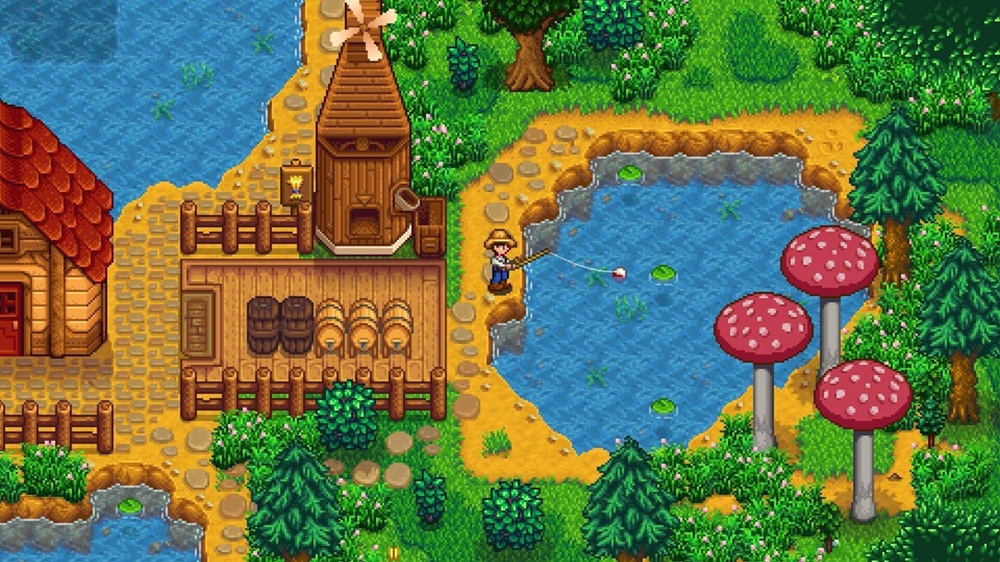
- The Community Center offers quests that unlock rewards and revitalize the town.
Oh, the heartbreak of missing just one… Some artifacts test your persistence more than your skill. As any thorough Stardew Valley artifacts guide will tell you, the Dinosaur Egg might be Stardew’s holy grail; it can be dug up (very rarely) in the mountains, dropped by Pepper Rexes in the Skull Cavern, or even fished from treasure chests in the mountain lake. Ancient Doll and Prehistoric Scapula can be just as relentless; sometimes, you resort to methodically hoeing every tile all season.
Don’t be discouraged if hours go by without that missing artifact; sometimes, your farm layout or missed spots make a difference. And yes, you can get duplicates. Don’t be afraid to sell extras, display them, or even toss them in the shipping bin. They’ll crop up again, eventually; sometimes just after you lose all hope.
Worried you’re locked out on a special farm map? Nearly every artifact is obtainable with time and patience, even if you’re on the Riverland or Forest farm. Only a select few are region-specific (ginger island, anyone?), so chances are the one that’s eluding you is just being stubborn. Take heart: everyone’s got at least one “white whale.”
6. Donating Artifacts: Rewards, Museum Completion, and What Happens Next
Museum donations are more than their shelf weight in gold. As any detailed Stardew Valley artifacts guide will explain, every artifact you slot into Gunther’s cases brings rewards: a bag of seeds, new furniture, and sometimes special tools or rare furniture blueprints. Milestone rewards come after a set number of donations; finish the whole set, and you’ll earn the coveted “Rusty Key,” unlocking the sewer and letting you meet Krobus for the first time.
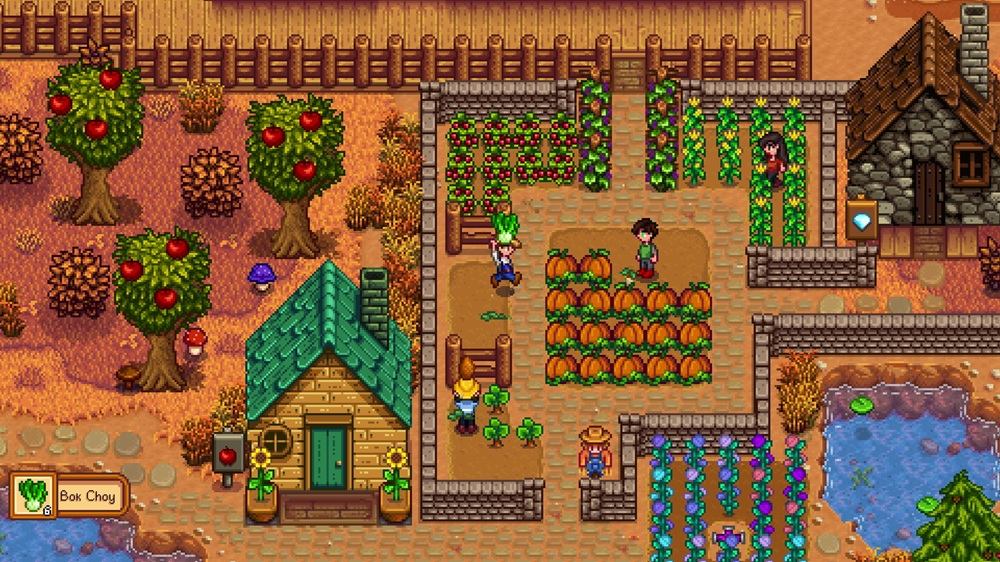
- The game supports modding, letting players customize everything from visuals to mechanics.
Note: Once you donate an artifact, it’s “gone” for good; no take-backs! But since most can be rediscovered, don’t fret. If you’ve given Gunther what he wants, any extras are yours to keep or toss. Some players like to display duplicates on their farm or in their house, as a reminder of the journey.
7. Fun Artifact Lore and Hidden Secrets
Artifacts whisper the secrets of the valley, but not every story is on the surface. Who buried all those dolls, and why are dinosaur eggs so well-preserved? Some items are sly winks to other games or genres; the Ancient Seed, for example, grows into a crop many fans believe is a reference to ancient plants in Harvest Moon or Rune Factory. Dwarf Scrolls hint at the mines’ long-lost inhabitants, and those Strange Dolls? Let’s just say, don’t stare at them too long after midnight.
Complete your artifact collection, and you’ll notice villagers occasionally reference your finds, or, at the very least, carry the air of “local archaeologist” for the rest of your file.
8. Tips for Collecting Every Last Artifact (Without Losing Your Mind)
The first time around, I tried to rush through artifact collection and learned the hard way that patience, not speed, wins the day. Here’s what I wish someone had told me: lessons every good Stardew Valley artifacts guide should include:
– Check artifact spots after rain: New spots pop up more after wet weather.
– Carry a hoe everywhere: You never know when you’ll stumble onto a patch.
– Prioritize tricky locations & seasons: Don’t skip the mountain, desert, or beach; each has unique drops.
– Inventory Management: Keep a couple of free spaces for surprise finds.
– Co-op Wisdom: In multiplayer, teammates can trade or help cover more ground! Sometimes two (or four) hoes are better than one.
Players often ask: “How do you stay motivated to finish the collection?” For me, it was turning the hunt into a game; tracking progress on spreadsheets, racing friends, or taking nightly “artifact walks” around town. Celebrate the small finds, and don’t let the quest become a chore.
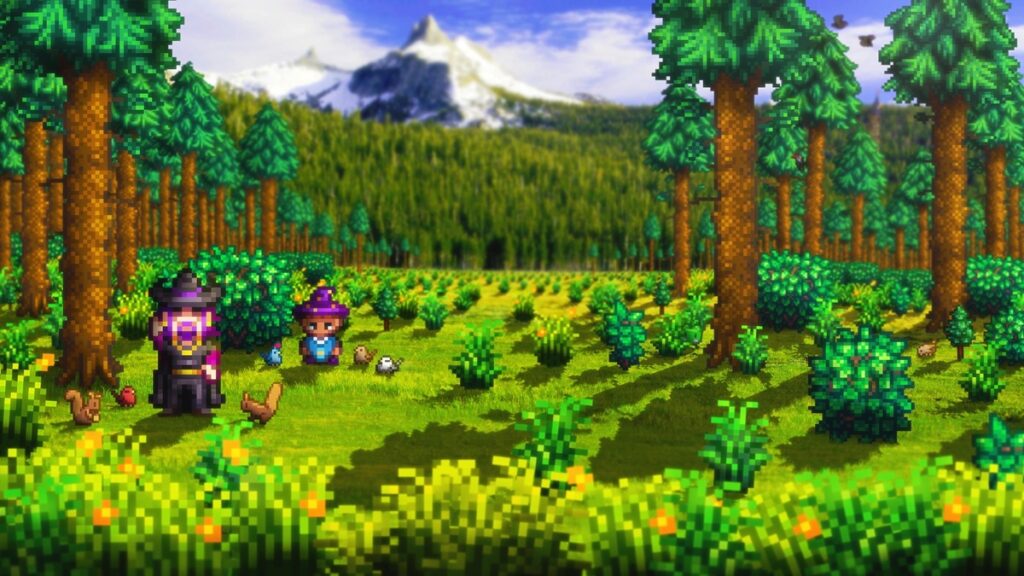
- Multiplayer lets up to four players farm together and share responsibilities.
9. Summing Up: The Satisfaction of Becoming a Stardew Artifact Master
Completing the artifact collection in Stardew Valley isn’t just another checkmark or trophy; it’s a celebration of your curiosity, persistence, and willingness to turn over every stone for a hint of story. Should you keep playing after finishing the collection? Absolutely! There’s always a new season, a new friend, a new secret sprouting in Pelican Town. The best part is sharing your luckiest (or unluckiest) artifact story with the community, whether it’s finally unearthing the Dinosaur Egg after three years or finding a rare fossil on your second day. As for me, I still smile every time I dig up an Ancient Doll or arrowhead, remembering all the failed attempts before; the Valley rewards those who wander, and who wander. Any Stardew Valley artifacts guide can point you to the where, but it’s the stories behind each find that make them special. What’s your artifact “white whale”? Drop by the saloon and let’s swap tales. The Valley always has another secret to share.
FAQ
1. Is it possible to miss an artifact forever if I don’t get it in the right season?
No artifact is truly missable forever; most will respawn in their preferred seasons and locations year after year. It can take patience, but nothing’s permanently lost!
2. Can I use artifacts in crafting or for quests?
Only a select few, like the Ancient Seed and Chicken Statue, have uses beyond museum donation. The rest are mostly keepsakes or for Gunther’s shelves.
3. Does luck (the daily stat) really affect artifact finds?
Yes, a higher luck day increases your chances for rare finds from fishing treasure chests and geodes, but artifact spots are more about persistence and location.
4. Are there any benefits to displaying artifacts on my farm or in my house?
Display is purely decorative; it’s a fun way to show off favorite finds, but there’s no secret boost or hidden event for decorating with artifacts.
Infographics:
Stardew Valley Artifacts: Collector’s Quick Guide
Why Hunt Artifacts?
– Artifacts add mystery and lore to your farm life; each one tells Pelican Town’s hidden stories.
– Donating to the Museum unlocks rewards (seeds, tools, and the coveted Rusty Key for secret areas).
– 42 unique artifacts await, from Dinosaur Eggs to Dwarf Scrolls and Rusty relics!
How & Where to Find Them
– Artifact Spots: Look for wiggling worms; use your hoe anywhere: farm, woods, beach, even saloon yard.
– Fishing & Mining: Treasure chests and breakable rocks can hold rare pieces.
– Geodes/Omni Geodes: Crack ’em open for prehistoric surprises.
– Monster Drops & Unique Locations: Some fossils and scrolls drop from baddies or appear only in secret zones.
Rarest & Most Satisfying Finds
– The Dinosaur Egg is legendary; dig, fish, or slay Pepper Rexes to get one.
– Don’t sweat duplicates; most can be found again, traded, or displayed at home.
Pro Tips
– Explore after rain; keep inventory space open.
– Multiplayer helps: cover more ground, share your luck, celebrate every find!