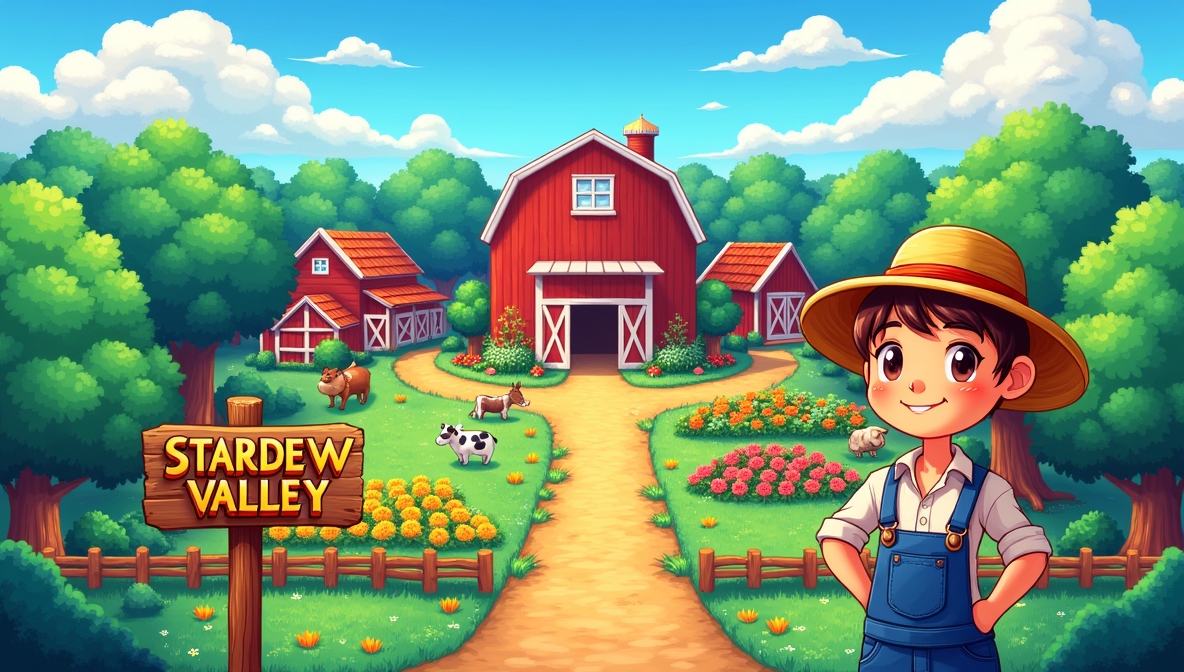

I remember the thrill of placing my very first Coop: a lopsided little structure snuggled next to some untamed weeds, far from the “perfect farm” I’d daydreamed about. But that’s the magic of Stardew Valley buildings, and why any good Stardew Valley buildings guide will tell you they quietly shape the heart and future of your farm, acting as both essential tools and little monuments to growth. Whether you love optimizing for profit, decorating every inch, or just want your chickens to be happy, understanding the use and charm of every building can turn any field into a personalized home.
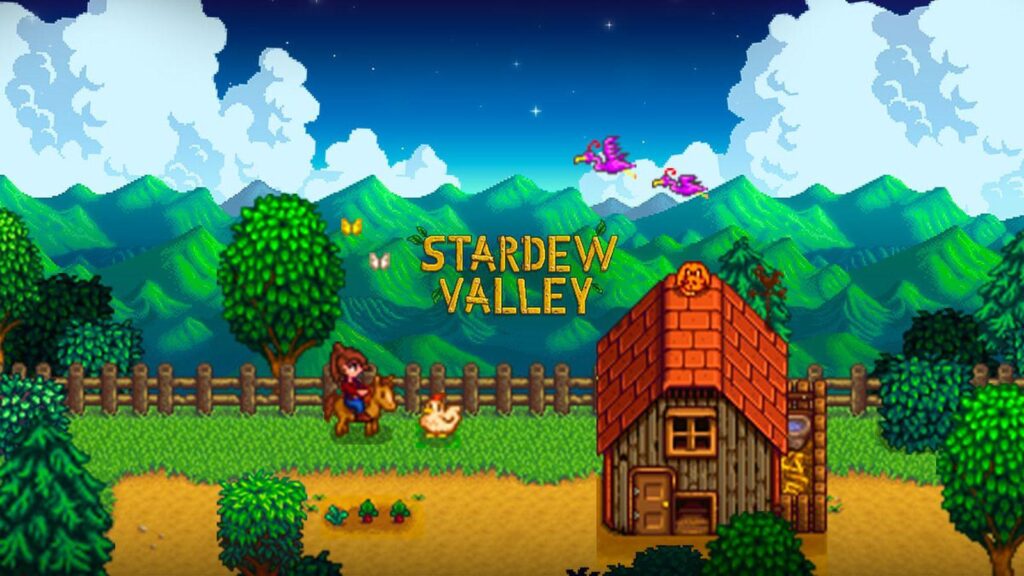
Stardew Valley Buildings Guide
Don’t worry if you’re brand new or if your farm’s already a maze of fences; this guide will break down exactly what every building does, how to plan your upgrades, avoid common mistakes, and find unexpected comfort (and maybe chaos) in constructing your dream valley retreat.
1. Introduction: Why Buildings Matter in Stardew Valley
Stepping onto your wild, brush-filled farm that first morning, it’s easy to overlook how much the buildings will influence your entire journey. Each structure acts as a stepping stone: barns for animals, silos for survival, greenhouses for winter color, and magical constructs just waiting for you to unlock. Sometimes, choosing what to build next can feel overwhelming; maybe you’ve wondered if you need every building, or if one “wrong” placement is going to haunt your seasons.
Rest assured, you can thrive with just a few smart choices, and every playthrough is a little different. As any thoughtful Stardew Valley buildings guide will show you, a well-placed barn or a perfectly timed greenhouse can shift how you experience Stardew from season to season. Often, the building you cherish the most isn’t the fanciest or rarest, but the one that fits your story.
2. Getting Started: How to Unlock and Buy Your First Buildings
After a couple of messy days whacking weeds and rocks, most players make the walk north to Robin’s Carpenter’s Shop for the first time. There you’ll discover the lingo of blueprints, prices in gold and raw materials, and that warm worry: “How am I ever going to afford all this?” Starting out, don’t be surprised if your options feel painfully limited or your bank account heartbreakingly small. Most early-game buildings, like the Coop (4,000g, 300 Wood, 100 Stone), are real investments for a new farmer.
You might ask, “Which building is best to build first?” While temptation points to animal homes, most seasoned players quietly recommend a Silo (trust me, it pays off; more on that soon). And if you’ve accidentally dropped a building in the wrong place, you can move or demolish it any time through Robin, so no sweat about that “forever home.”
3. Animal Housing: All About Coops and Barns (and Their Upgrades)
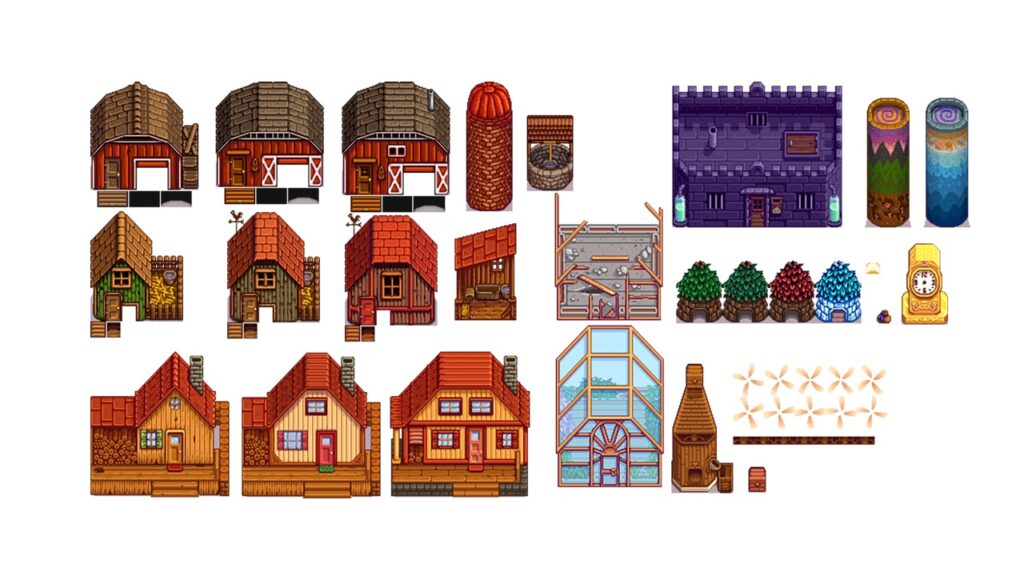
Once you’ve saved enough, Coops and Barns become the backbone of every bustling farm. Each comes with upgrades; something any solid Stardew Valley buildings guide will break down in detail:
– Coop: Chickens (Basic), Ducks (Big Coop), Rabbits & Dinosaurs (Deluxe Coop, yes, you can have dinos!).
– Barn: Cows (Basic), Goats (Big Barn), Sheep and Pigs (Deluxe Barn; truffle-hunters supreme).
With each upgrade, you unlock more animals, perks like auto-feed, and even animal breeding. Besides obvious profit (eggs, milk, wool), having a happy herd changes your daily rhythm and, surprisingly, makes the place feel more alive. A great tip from a fellow player: animal happiness rises with free space and daily pats, so try to leave walking space around each building.
4. Special Buildings: Silo, Stable, Well, and the Slime Hutch
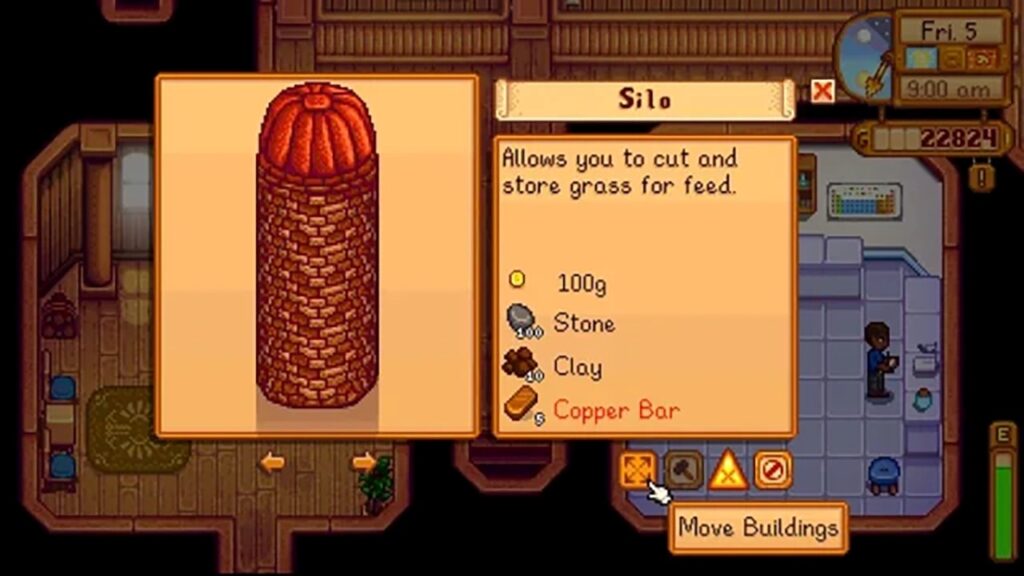
Every time I started a new game, I’d skip the silly-looking Silo and live to regret it. Don’t be me! The Silo (100g, 100 Stone, 10 Clay, 5 Copper Bars) stores hay as you cut grass, saving you tons of money when winter hits.
Wells offer convenient water refills, but unless your farm is especially vast, you may find you rarely use them; a fun luxury, not a must-have. The Stable (10,000g, 5 Iron Bars, 5 Hardwood) changed everything for me one rainy summer: suddenly, I had a horse and could zip into town fast, getting more done before Pierre locked the shop.
If you love danger, try the Slime Hutch: essentially a gooey pet house for fighting and breeding your own slimes. It’s definitely not for the faint of heart, but wild fun once you get the hang of it. A good Stardew Valley buildings guide can help you make the most of this chaotic little structure.
5. Sheds, Cabins, and Greenhouses: Artisan and Specialty Spaces
One summer, my shed became a barn-full of kegs, churning out pale ale faster than Pam could order another. Sheds (15,000g, 300 Wood) are gloriously empty canvases; perfect for kegs, preserves jars, or crafting experiments.
Cabins are your multiplayer lifeline; invite friends to join your world, set up tiny homes for them, and (for solo players) use them as extra storage or themed garages.
Unlocking the Greenhouse might just be the best day of any farmer’s life. With crops growing all year, ancient fruit or starfruit never withers, and there’s plenty of space for sprinklers if you plan ahead. Completing the Pantry Bundles in the Community Center opens the doors; after that, get creative with layouts and profit combos.
6. Late-Game, Prestige, and Magical Buildings
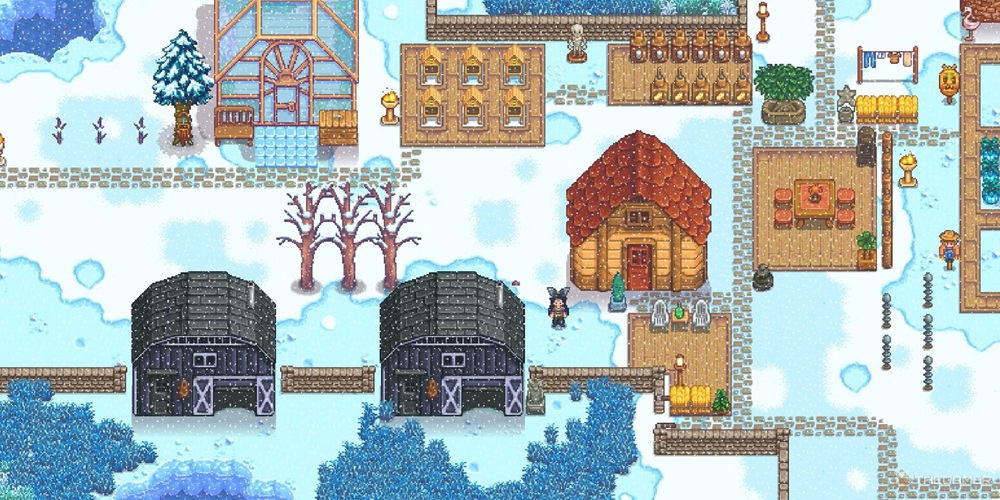
Not all buildings are practical; some simply shout, “I made it!” The Gold Clock (10,000,000g!) keeps fences from decaying and stops debris, but for many players, it’s mainly a badge of honor.
Obelisks (return home, warp to beach/mountain/desert) cost a fortune but make getting around miraculous. The Junimo Hut hires little helpers to collect crops, and farmhouse upgrades give you a kitchen, more rooms, and even let you start a family.
Trying for every magical building isn’t necessary, but reaching for them can make late-game Stardew as invigorating as the first spring. A thoughtful Stardew Valley buildings guide can help you decide which structures truly enhance your playstyle and when to build them.
7. Building Placement, Layout, and Aesthetic Planning
When inspiration strikes, don’t be afraid to move things around; Robin lets you relocate (almost) anything, and trust me, even the pros rearrange their farms five times a year!
Building placement is more than just looks: keep animal barns close to pastures, silos near grass, and craft sheds central for easy access.
Ever scrolled through Instagram or Reddit, gaping at perfect farms? It’s all in the planning: pathways, fences, subtle hedges, and seasonal flowers. But your farm doesn’t need to impress anyone but you. Start messy, learn as you go, and you’ll find something that fits your play style.
8. Tips, Upgrades, and Secrets the Game Doesn’t Tell You
There’s no one “right” order, but here’s a cheat sheet I wish I knew:
– Build a Silo before adding animals; you’ll thank yourself every winter.
– Sheds > Crammed Barns for artisan goods (space, lighting, creativity!).
– Stable’s worth every penny once you can afford it.
– Paths between buildings speed up your days.
– Place decorations first if you crave style, or squeeze them in between harvests.
– Regret a building? Demolish or move it at Robin’s on any non-festival day, no penalty.
Does layout matter for income? Yes, but only as much as it matters to you; Stardew is about finding what brings joy, not following every efficiency trend.
9. Wrapping Up: Your Dream Farm, One Building at a Time
Growing your farm isn’t about copying someone else’s YouTube build or micromanaging every square. The freedom to experiment, rearrange, or completely restart is Stardew at its best. Maybe you’ll find yourself oddly sentimental over your first little chicken coop or laugh years later at the time you built three wells and never used them. What building could I never live without? The Stable. Every time I hop on that horse, I remember what it felt like to finally make the farm my own. A good Stardew Valley buildings guide will show you how buildings like the Stable aren’t just functional; they’re milestones on your farming journey. Ready to try a new layout or chase after a Gold Clock? There’s always something wonderful to build next season.
FAQ
1. How much space should I leave between buildings when planning future upgrades?
Always leave at least one empty tile between structures for easy walking and to access entrances, but two to three tiles make rearranging later much less stressful!
2. Can you move artisan machines with items inside, or will you lose your stuff?
Moving a shed (with machines inside) is safe; you won’t lose anything! But never demolish a building without emptying containers first, just to be sure.
3. Do animal buildings need to be close to grass, or will animals find food everywhere?
If animals can’t reach fresh grass when outdoors, their happiness drops, so place barns and coops near fields for best results.
4. What’s the biggest building you can fit on the standard farm, and can you run out of space?
The Deluxe Barn is the largest regular building. You can run out of room, especially with lots of sheds or decorations, but smart placement and moving buildings mean you’ll almost always find a creative solution.
Infographics:
Stardew Valley Buildings At-a-Glance
Why Buildings Matter
– Transform wild fields into your personal paradise; functional, cozy, or profit-packed, it’s all your story!
– Every structure (barns, greenhouses, magical huts) unlocks new farm potential and daily routines.
– No “perfect” order; build at your pace and play style.
Getting Started & Pro Tips
– Visit Robin’s Carpenter’s Shop to craft your vision; don’t worry about early mistakes; buildings can be moved or demolished.
– Silo first? Highly recommended! Store hay before adding animals.
Animal Homes & Upgrades
– Coops and Barns unlock chickens, cows, and more (plus automations with upgrades).
– Animals thrive with space and daily care; layout matters!
Specialty & Prestige Builds
– Sheds maximize artisan space; Greenhouse enables year-round crops.
– Magical late-game: Junimo Huts (auto-harvesters), Obelisks (fast travel), Gold Clock (prestige!).
Layout & Aesthetics
– Plan for pathways, pasture access, and aesthetics, but move, rearrange, and experiment without stress.
– Your favorite build? The one that makes your farm feel like home.